10 Essential Home Inspections and Safety Tips to Protect Your Property
Many property issues do not begin as major concerns. A minor leak, a loose connection, or a weakened structure can go unnoticed at first. Over time, these small problems can lead to damage, safety risks, and higher repair costs.
Regular checks help homeowners identify early warning signs and take timely action. With a consistent approach to routine home maintenance, it becomes easier to protect both the property's condition and the safety of those living in it.
What Are Home Inspections
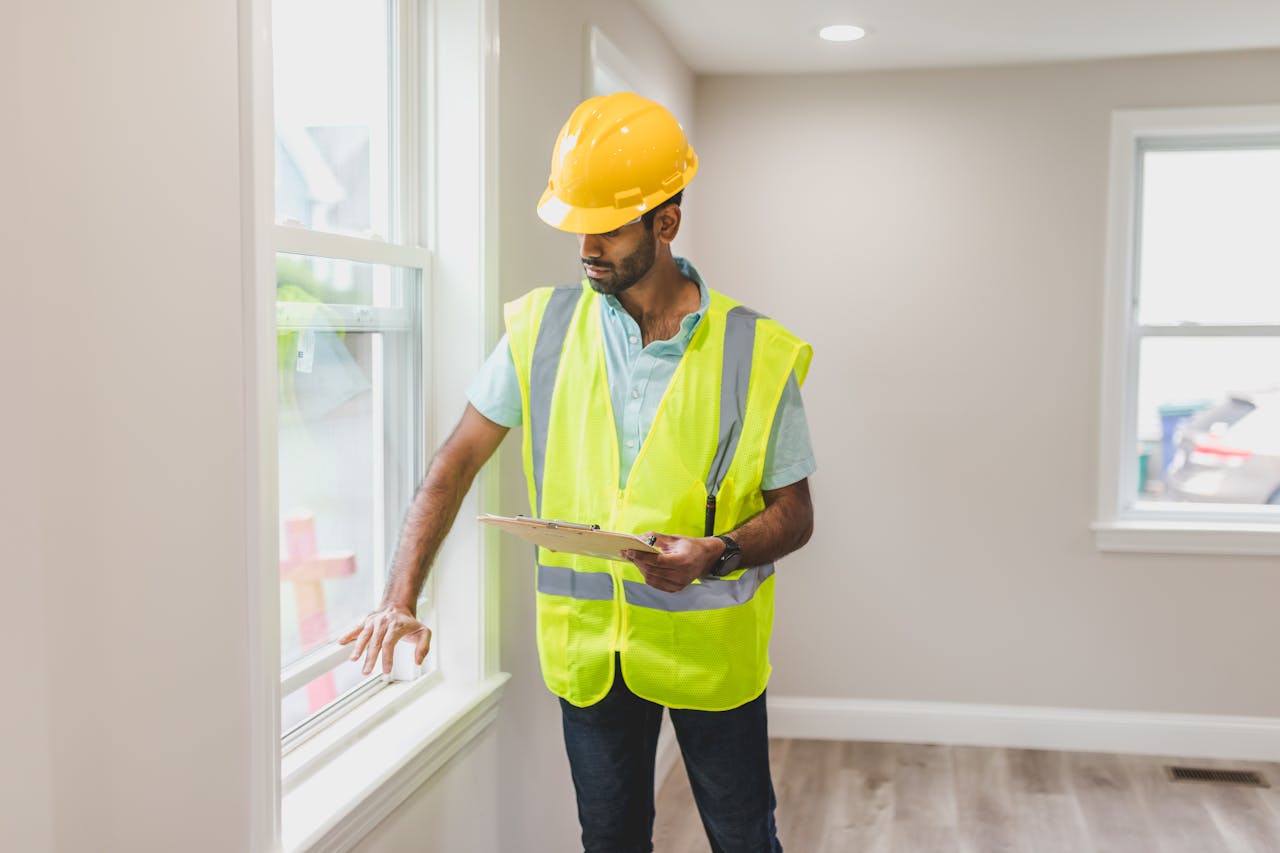
Home inspections are structured property safety checks used to assess the condition of different parts of a home. These inspections can be done at two levels.
Routine inspections are basic checks that homeowners can perform on a regular schedule. These are part of everyday routine home maintenance.
Professional inspections are more detailed and are conducted by licensed experts. These are typically done once a year or when a concern is identified. Using both methods provides a more complete understanding of the property’s condition.
Why Home Inspections Matter
Consistent home inspections help prevent small concerns from developing into serious problems. Early detection allows homeowners to address issues before they affect the structure or safety of the home.
They also help:
- Manage repair costs more effectively
- Maintain a safer living environment
- Support smoother insurance claims
- Provide clarity on the overall condition of the property
Ignoring early warning signs can lead to more complex and costly repairs over time.
Simple Home Inspection Tips
Effective maintenance is built on consistency. Regular property safety checks of different parts of your home helps identify issues before they become serious. Prioritizing these key areas not only minimizes potential hazards but also prevents avoidable damage and supports effective routine home maintenance.
1. Inspect the Roof for Damage
Check for missing or damaged materials and signs of water entry. Early detection helps prevent leaks and structural damage.
2. Clean and Check Gutters
Ensure gutters are free from debris and allow proper drainage. Blocked gutters can lead to water buildup and damage to walls or foundations.
3. Review Electrical Systems
Look for exposed wiring, damaged outlets, or frequent breaker issues. Electrical concerns should be addressed to reduce fire risks.
4. Check for Plumbing Leaks
Inspect pipes, faucets, and under-sink areas for leaks or moisture. Addressing leaks early helps prevent water damage and waste.
5. Examine the Foundation and Structure
Look for cracks in walls or uneven flooring. Structural changes should be monitored and assessed if they worsen.
6. Test Fire Safety Equipment
Test smoke detectors regularly and ensure they are functioning. Fire extinguishers should be accessible and in working condition. Every household should have a clear exit plan.
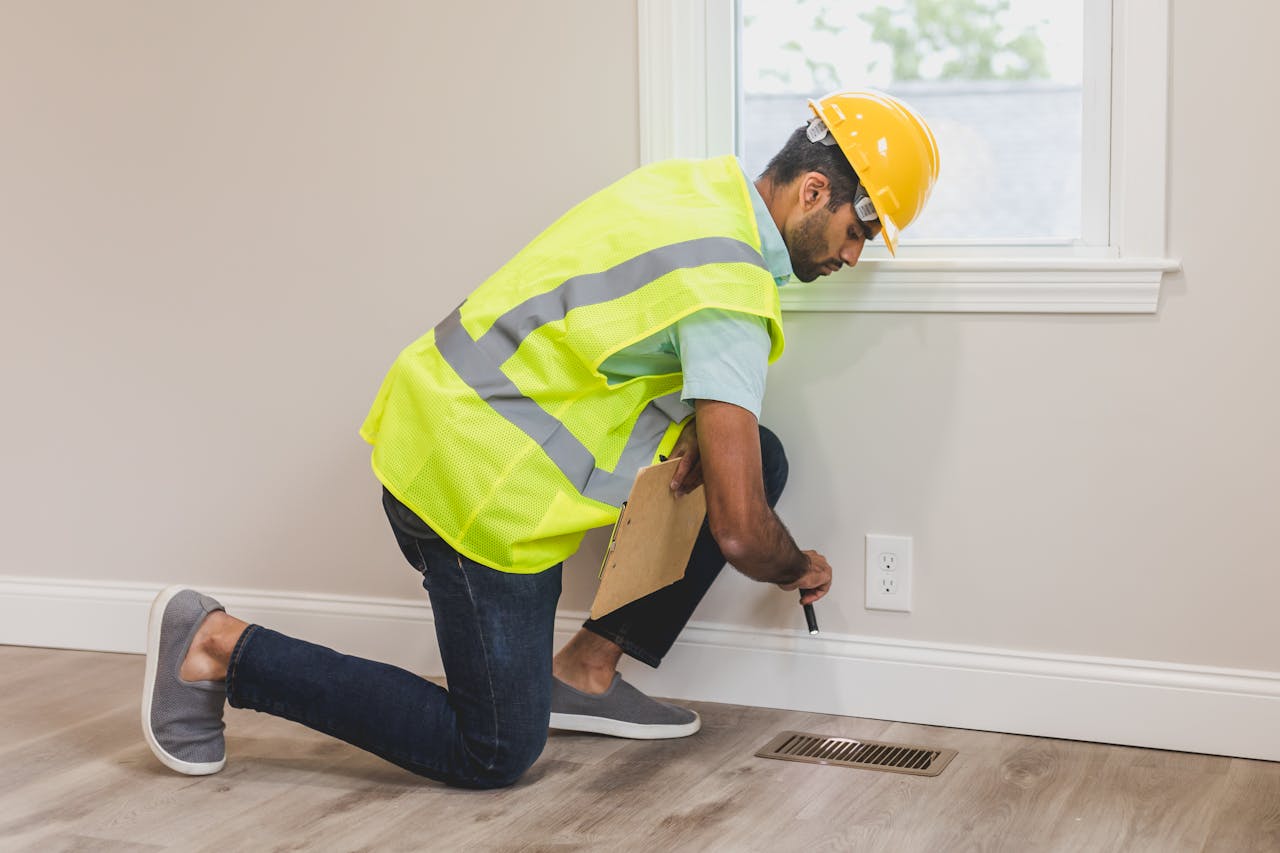
7. Secure Doors and Windows
Ensure locks are working properly and frames are in good condition. This improves both safety and security.
8. Inspect Outdoor Areas
Inspect decks, railings, and walkways for stability. Uneven surfaces or loose materials can create safety hazards. Regular checks help prevent accidents.
9. Maintain Clear Walkways
Keep hallways and entry points free from clutter. Clear spaces reduce the risk of trips and falls.
10. Keep a Consistent Inspection Routine
Follow a simple home inspection checklist to stay on track. Regular routine home maintenance helps ensure no area is overlooked.
Start Your Quote Today
Our licensed specialist will search for the best insurance quotes and will email you when ready.