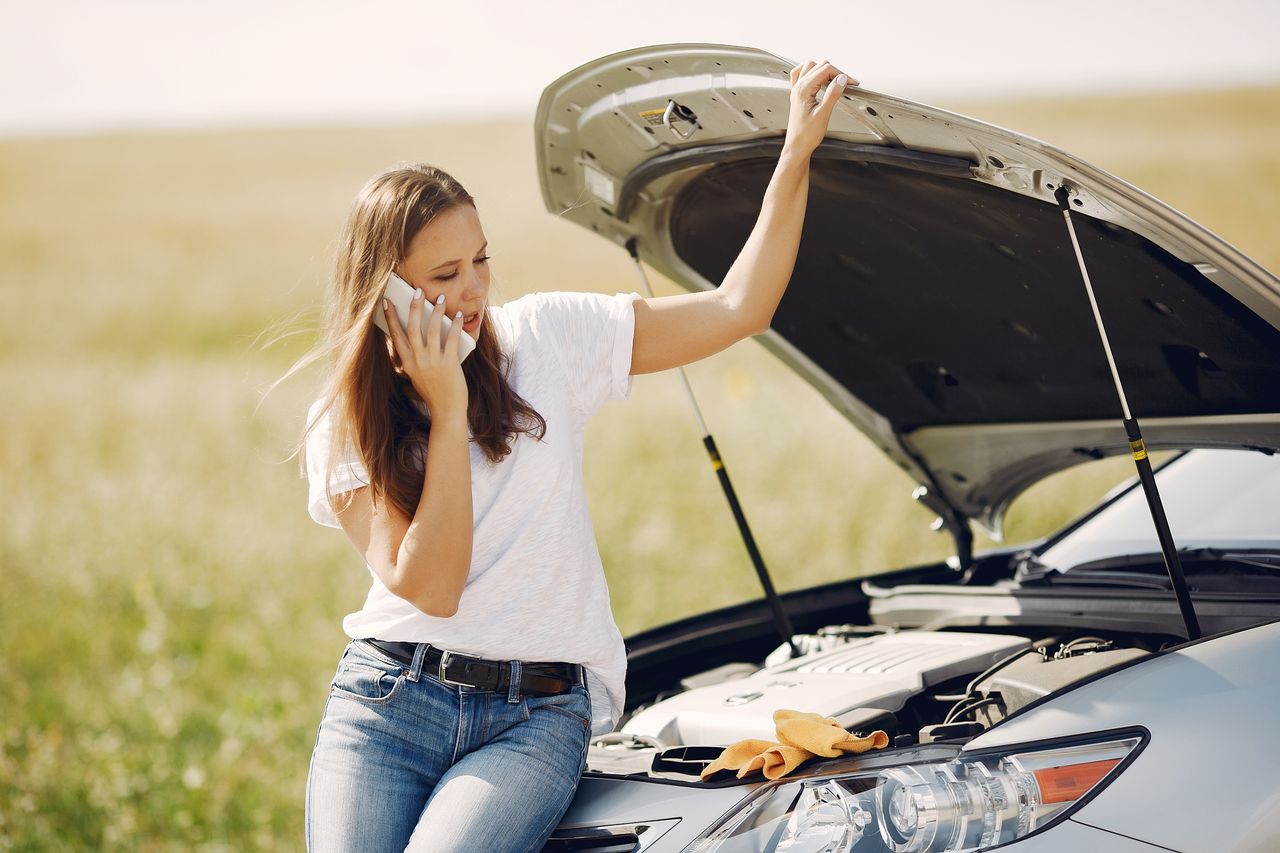
A flat tire, overheated engine, dead battery, or warning light can leave you stranded with little time to think. The situation becomes even more stressful on a busy highway, at night, or when children are in the car.
Knowing what to do before a roadside emergency happens can help you stay calm and avoid a second accident. These roadside safety tips explain how to protect yourself, your passengers, and your vehicle while arranging help.
1. Move to the Safest Available Location
When your vehicle starts losing power or showing signs of trouble, signal early and move toward the right shoulder, a parking lot, or another area away from traffic. Avoid stopping on a curve, bridge, narrow shoulder, or hill when you can safely reach a better location.
Pull over as far as possible, place the vehicle in park, and apply the parking brake. If the car cannot move from an active lane, do not try to push it. Keep your seat belt fastened and call emergency services.
2. Turn On Your Hazard Lights
Switch on your hazard lights as soon as you notice a problem, even before you stop. Flashing lights warn other drivers that your vehicle is slowing down or disabled.
At night or during bad weather, use your parking lights when appropriate. Being visible gives approaching drivers more time to react.
3. Decide Whether to Stay Inside
On a busy highway, staying inside the vehicle with your seat belt on is often safer than standing near traffic. Keep the doors locked while waiting for professional assistance.
Leave the vehicle if you smell fuel, see smoke or flames, believe the car may be struck, or receive instructions from emergency personnel. Exit through the door farthest from traffic and move behind a guardrail or well away from the road.
Never stand directly in front of or behind a disabled vehicle.
4. Make Your Vehicle Easy to See
If it is safe to exit, place reflective warning triangles behind your vehicle. Follow the product instructions and position them far enough away to give approaching drivers time to slow down.
A reflective vest can make you more visible at night. Road flares may also help, but never use them near leaking fuel, dry grass, or other flammable materials.
5. Call for Help and Share Your Location
Contact roadside assistance, your insurer, a towing company, or emergency services based on the situation. Explain the problem, whether anyone is injured, and whether the vehicle is blocking traffic.
Share clear location details, including:
- The road or highway name
- Your direction of travel
- The nearest exit, mile marker, or intersection
- Your vehicle’s make, model, color, and license plate
- Hazards such as smoke, debris, or fast-moving traffic
A map application can help, but road signs and mile markers may provide a more precise location.
6. Be Careful With Strangers
A passing driver may offer help, but you do not need to unlock the doors or leave the vehicle. Speak through a slightly opened window and explain that assistance is coming.
Before allowing someone to tow or repair your car, confirm the roadside provider’s company name and vehicle description. If anyone makes you feel unsafe, keep the doors locked and call the police.
7. Avoid Repairs Near Moving Traffic
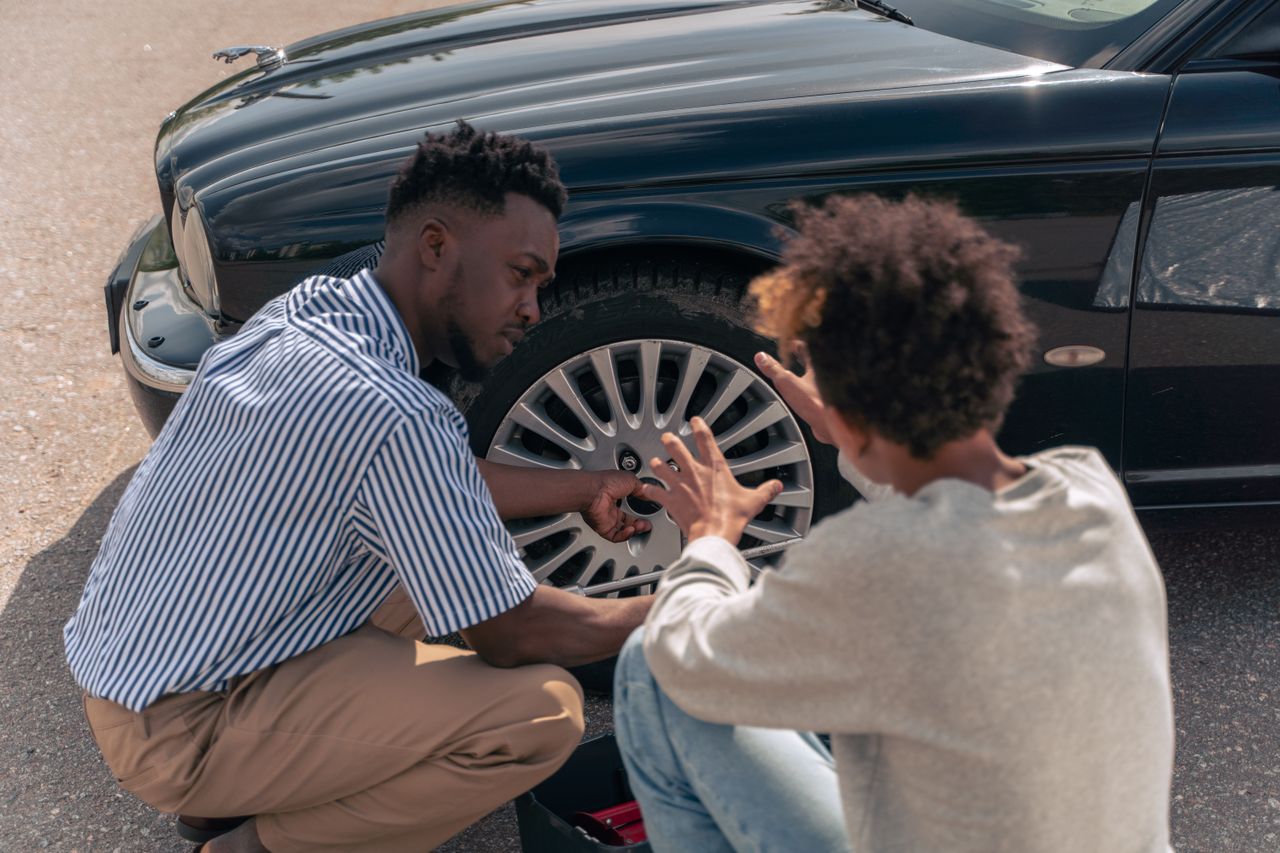
Changing a tire or checking under the hood may seem simple, but location matters more than repair experience. Do not work on the side facing traffic, crawl under the car, or attempt repairs on a narrow shoulder.
Only handle basic repairs when the vehicle is completely off the road, the ground is stable, visibility is good, and you know what to do. Calling roadside assistance is usually safer when traffic is nearby.
8. Carry a Roadside Emergency Kit
A well-stocked emergency kit can make a breakdown safer and less stressful. Check it every few months and replace expired or damaged supplies.
Include:
- Reflective triangles and a reflective vest
- Flashlight with spare batteries
- Phone charger or power bank
- First-aid kit
- Jumper cables or portable jump starter
- Tire gauge and properly inflated spare tire
- Basic tools and work gloves
- Water, snacks, blanket, and rain poncho
- Paper map and emergency contact information
Store the kit where you can reach it without unloading the entire vehicle.
9. Understand Roadside Assistance Coverage
Roadside assistance may be available through your auto insurance policy, vehicle manufacturer, credit card, or automobile membership program. It commonly covers services such as towing, jump-starts, flat tire help, lockouts, and emergency fuel delivery.
Limits may apply. A plan might cover towing only within a set distance or restrict how many service calls you can make each year. Review the details now and save the contact number in your phone.
Roadside assistance is not the same as collision or comprehensive insurance. It pays for certain emergency services, not necessarily the repairs your vehicle needs afterward.
10. Prepare Before Longer Drives
Basic maintenance can lower the chance of becoming stranded. Before a long trip, check your tire pressure, fuel level, lights, battery, engine fluids, and windshield wipers.
Charge your phone, update your emergency contacts, and keep proof of insurance accessible. When traveling through remote areas, tell someone your route and expected arrival time.
Start Your Quote Today
Our licensed specialist will search for the best insurance quotes and will email you when ready.