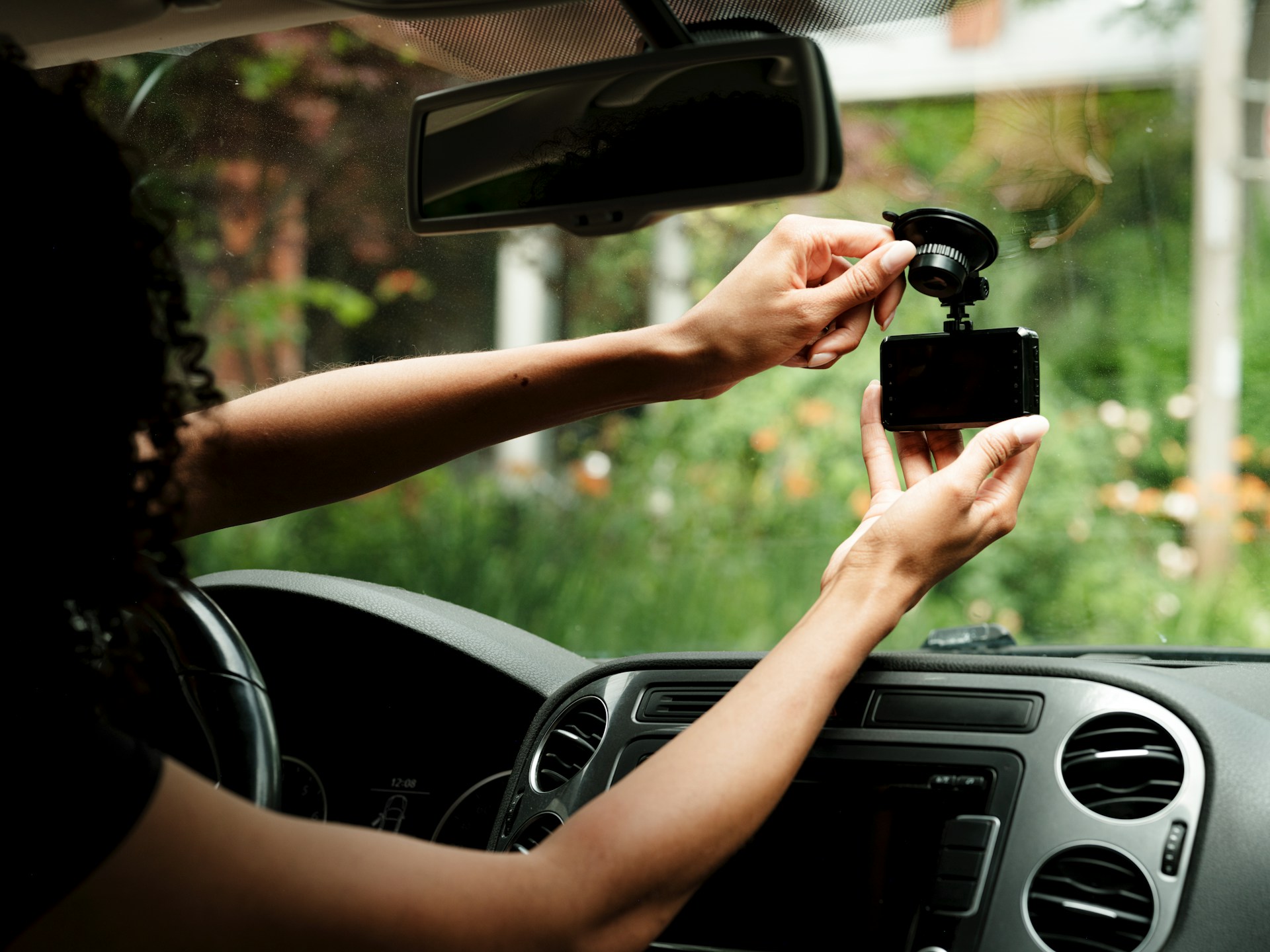
Accidents do not always have clear answers. Drivers may remember things differently, and reports can take time to review. This can slow down a car insurance claim. A dash cam can help by recording what happened on the road. It gives a clear view of the situation and can support your side of the story.
What Is a Dash Cam
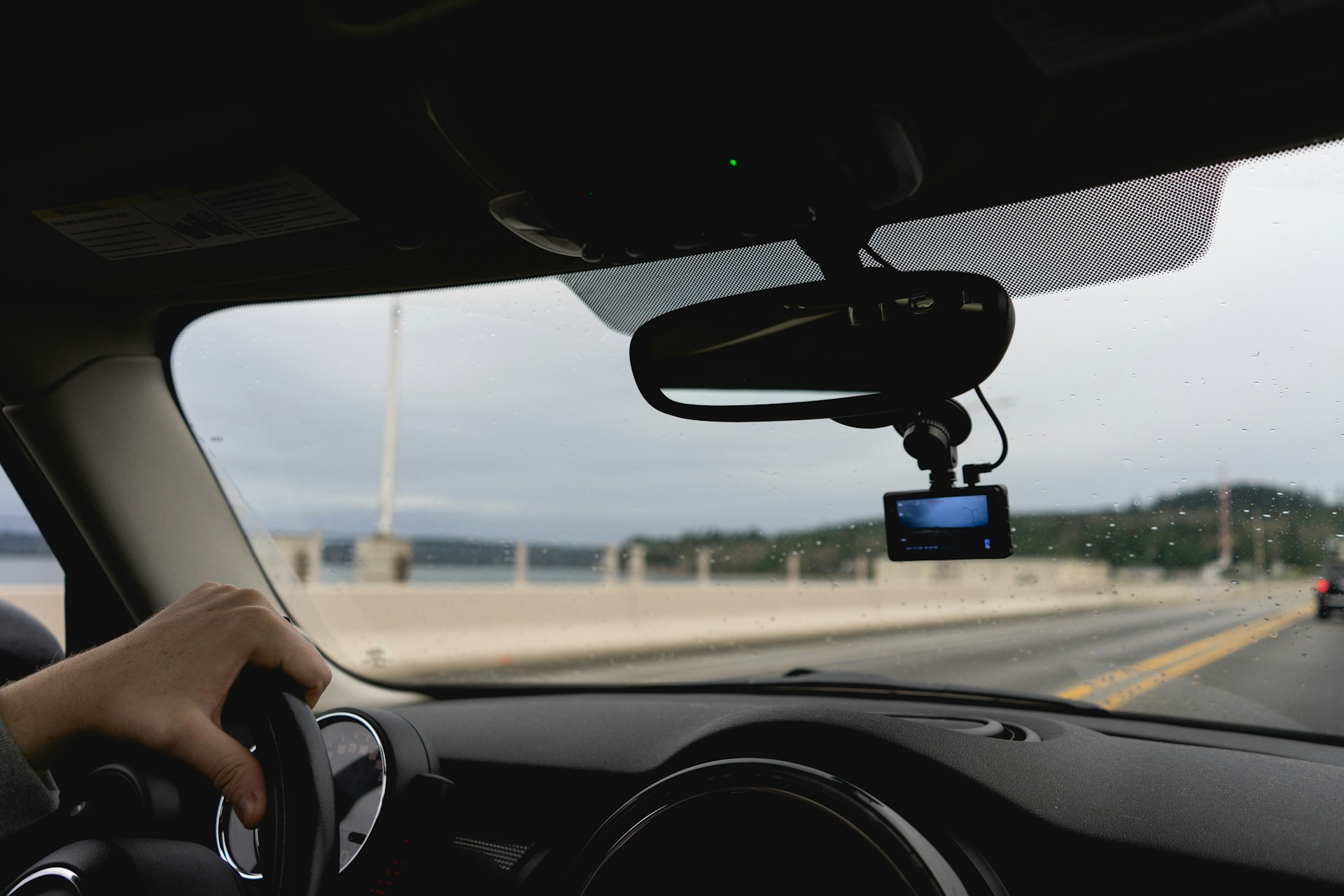
A dash cam is a small camera placed inside your car. It records the road while you drive. Some models also record the inside of the car or the rear view. The footage is saved on a memory card and can be used later if needed.
How a Dash Cam Supports an Insurance Claim
Accidents can lead to unclear details, which may delay an insurance claim. Video footage from a dash cam can help show what happened and support the information you provide.
Shows What Happened
Dash cam footage can capture the moments before, during, and after an accident. This helps show how the incident started and what took place.
Helps Prove Fault
Insurance companies review evidence to decide who is responsible. A clear video can help them see which driver made a mistake.
Reduces Disputes
When drivers have different stories, it can delay a claim. Video evidence can help settle these differences faster.
Supports Reports
Dash cam footage can back up police reports and written statements. It adds another layer of proof to your claim.
When Dash Cam Footage Is Most Useful
Dash cam footage is not always needed, but it can be very helpful in certain situations. It is most useful when details are unclear or when there is a dispute about what happened.
Accidents at Intersections
Intersections are one of the most common places for accidents. Drivers may disagree on who had the right of way or which signal was active. Dash cam footage can serve as video evidence car accident records, helping insurers review what happened and decide fault based on clear insurance claim proof.
Hit and Run Incidents
In hit and run cases, the other driver leaves before details can be exchanged. A dash cam may capture the vehicle, plate number, or direction of travel. This type of dash cam footage insurance support can help during the how to file car insurance claim process, especially when identifying the other party is difficult.
Multi Car Accidents
When several vehicles are involved, it can be hard to determine who caused the incident. Each driver may have a different version of events. Dash cam footage can provide a clear timeline, which supports insurance claim proof and helps insurers assess each part of the accident.
Incidents Without Witnesses
Some accidents happen in areas where no one else is present. Without witnesses, claims often rely on statements from the drivers involved. A dash cam can act as a reliable source of video evidence car accident details, helping reduce uncertainty during the claim review.
Disputes Over Fault
There are cases where both parties claim they are not at fault. This can delay the claim process. Dash cam recordings can help resolve these disputes by providing dash cam footage insurance support that shows the sequence of events. This can make it easier for insurers to review the situation and move forward with the claim.
Pedestrian or Cyclist Involvement
Accidents involving pedestrians or cyclists often require careful review. Dash cam footage can show movement, position, and timing. This helps provide accurate insurance claim proof and supports a fair review of the incident while following dash cam legal use guidelines.
Legal and Privacy Notes
Dash cams are allowed in many places, but rules can vary. Some areas have limits on recording audio or sharing videos. It is best to use the footage only for your claim and avoid posting it online without checking local rules.
Start Your Quote Today
Our licensed specialist will search for the best insurance quotes and will email you when ready.