After the harsh winter weather, it’s easy to assume that your roof is still in good shape. However, snow, ice, freezing temperatures, and high winds can all take a toll on your roof, often in ways that aren’t immediately visible. Early roof inspections in the spring are essential to catching damage before it leads to costly repairs or more significant issues like mold growth.
Why Roof Inspections Matter After Winter
Winter can be tough on your roof. From heavy snowfall to freezing rain, your roof endures a lot during the colder months. Even if you have not noticed any immediate damage, conducting a post-winter roof inspection can save you from more significant issues down the line. A small leak, curling shingles, or damaged flashing can lead to water damage and mold if left unchecked.
By inspecting your roof early in the spring, you have the opportunity to catch these problems before they worsen. Early action can prevent expensive repairs and reduce the likelihood of insurance claims related to water damage or mold. Whether you do the inspection yourself or hire a professional, staying on top of roof maintenance is key to protecting your home.
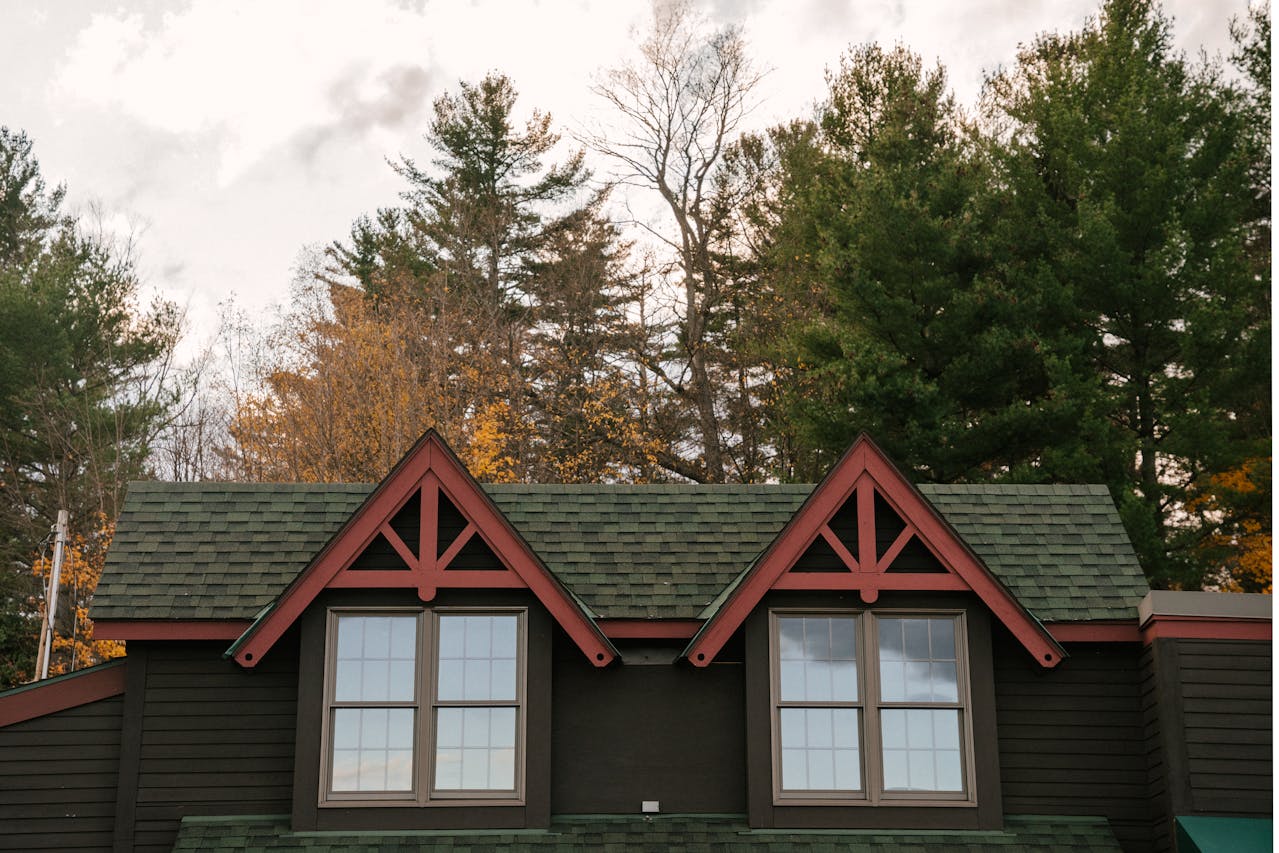
How to Spot Curling Shingles and Damaged Flashing from the Ground
Two common issues homeowners face after winter are curling shingles and damaged flashing. While you may not be able to see all the details from the ground, you can still spot some obvious signs of damage.
Curling Shingles
Curling shingles are often a result of moisture that gets trapped under the shingles during the winter, followed by the expansion and contraction of temperature changes. If you notice that the edges of your shingles are bending up or becoming brittle, it’s a sign that the shingles are no longer doing their job of protecting your home from water.
- How to Spot It: Stand back and look for any shingles that appear warped or bent. You can use binoculars to get a better view from the ground. If you see large sections of shingles that are curled up or missing granules, it might be time to replace them.
- What It Means: Curling shingles expose the roof’s underlayer to the elements, which can lead to leaks and further damage if left unchecked.
Damaged Flashing
Flashings are metal pieces used to seal the joints around roof features like chimneys, vents, and skylights. During winter, ice and snow can cause the flashing to loosen or crack, making it less effective in preventing water infiltration.
- How to Spot It: From the ground, check around your chimney, vents, or skylights for visible cracks or gaps. If the flashing appears to be lifting or damaged, water could seep underneath and cause leaks.
- What It Means: Damaged flashing can allow water to enter your home, leading to leaks in the ceiling or walls, and if left unresolved, it can lead to significant water damage.
The Risk of a Small Leak in March
A small roof leak might not seem like a big problem in March, but it could quickly escalate into a major issue if left unaddressed. Once water starts to enter your home, it can travel along beams, ceilings, and walls, often hidden from view. By the time you notice the effects, it may be too late to fix the problem without significant repairs.
Small Leaks Turn Into Big Problems
Winter’s thaw can melt snow and ice, creating conditions where small leaks can go unnoticed for weeks. These leaks may be tiny at first, but over time, they allow water to seep into your home. This moisture can promote mold growth, damage your insulation, and even rot wooden supports in your attic or walls.
- How to Spot It: Check your attic for signs of water stains or dampness. If you notice any unusual damp spots on your ceilings or walls, it may be a sign of a leak that needs immediate attention.
- What It Means: A small leak in March could turn into a mold nightmare by May. Mold thrives in damp, dark areas and can spread quickly if left untreated, leading to potential health risks and costly repairs.
Simple Ways to Start the Roof Inspection
Homeowners can perform a basic roof inspection themselves or call a professional if they are unsure about the condition of their roof. Here are a few simple steps to help you get started:
Check Your Gutters
Clogged gutters filled with leaves or debris from winter can prevent water from draining properly, leading to ice dams or water backups. Water that doesn’t drain correctly can seep under shingles, causing leaks.
- How to Spot It: Clean your gutters and look for any blockages or signs of ice build-up along the edges of the roof.
- What It Means: Keeping your gutters clear helps ensure that water flows off your roof instead of backing up into vulnerable areas.
Inspect Your Attic for Water Stains
If water has seeped through the roof, it could leave stains in your attic. These stains are often a sign of roof leaks that need attention.
- How to Spot It: Check the ceiling of your attic for any discolored spots or wet areas. If you notice these stains after a rainstorm, it could indicate a leak.
- What It Means: Water stains in the attic are a sign that your roof is not fully protecting your home, and repairs are needed before the problem worsens.
Look for Ice Dams
Ice dams are formed when melting snow refreezes at the roof's edge, blocking proper water drainage. This can cause water to back up under shingles, leading to leaks inside the house.
- How to Spot It: Look for large icicles hanging from the roof or areas where snow is melting but not draining properly.
- What It Means: Ice dams can prevent water from flowing off your roof, causing water to seep into your home. Removing ice dams early can prevent significant damage.
Start Your Quote Today
Our licensed specialist will search for the best insurance quotes and will email you when ready.