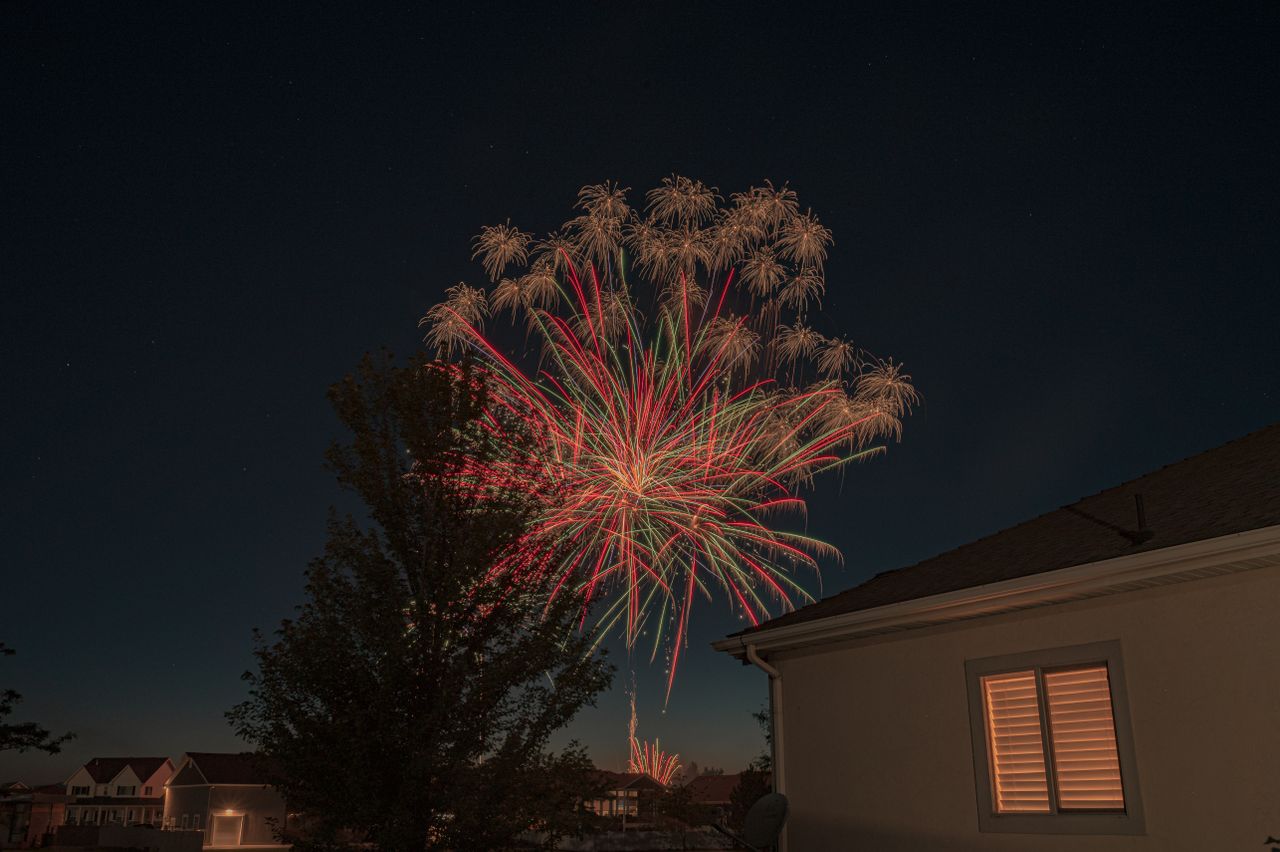
Fireworks can make the Fourth of July memorable, but one stray spark can damage a roof, ignite dry grass, or send someone to the emergency room. Even when you are not setting them off yourself, nearby celebrations can still put your home, vehicles, pets, and family at risk.
A little preparation can prevent a fun evening from turning into an expensive insurance claim. Use these firework safety tips to reduce hazards before, during, and after the celebration.
1. Check Local Firework Laws
Firework rules vary by state, county, and city. Some areas allow only small consumer fireworks, while others ban them because of wildfire danger, drought, or dense housing.
Check your local government or fire department website before buying or using fireworks. Ignoring local rules may lead to fines, liability problems, or complications with an insurance claim.
2. Choose a Safe Launch Area
Never light fireworks near a house, garage, shed, wooden fence, vehicle, or low-hanging tree. Sparks and burning debris can travel farther than expected, especially in windy conditions.
Use a wide, open outdoor space with a flat surface. Stay away from dry grass, mulch, patio furniture, propane tanks, and anything else that could catch fire. If you do not have enough room, attend a professional public display instead.
3. Remove Flammable Materials From Your Yard
Walk around your property before the celebration and remove anything that could fuel a fire. Pay special attention to:
- Dry leaves, pine needles, and grass clippings
- Cardboard boxes and paper decorations
- Outdoor cushions, umbrellas, and tablecloths
- Firewood stacked near the house
- Gasoline, lighter fluid, and propane cylinders
- Trash and recycling containers
Water dry grass and landscaping earlier in the day when local restrictions allow it.
4. Keep Water and a Fire Extinguisher Nearby
Connect and test your garden hose before lighting anything. Keep a bucket of water nearby for spent fireworks, sparklers, and small flare-ups.
A multipurpose fire extinguisher can also help with a small, manageable fire. Make sure adults know where it is and how to use it. Call 911 immediately if flames begin spreading or you cannot control the situation safely.
5. Follow the Instructions Carefully
Read each label and use the firework exactly as directed. Light one at a time, stand back quickly, and never hold a lit firework unless it is specifically designed for handheld use.
Do not alter fireworks, combine devices, or place them inside containers. Never point them toward people, homes, vehicles, or animals. The person lighting fireworks should remain sober and focused.
6. Never Relight a “Dud”
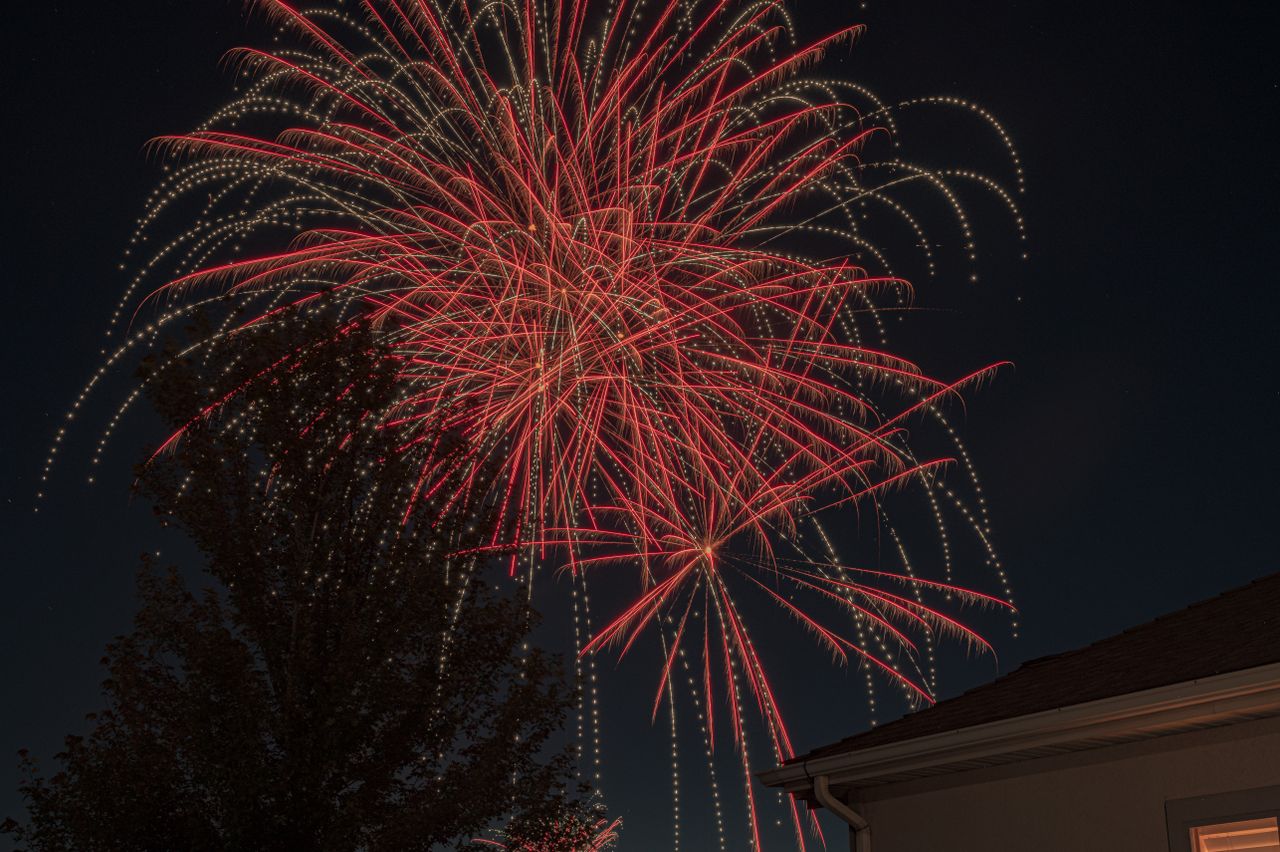
A firework that does not go off may still explode unexpectedly. Do not approach it immediately, look down the tube, or try to light it again.
Wait at least 15 to 20 minutes, then soak it thoroughly with water. Follow local disposal instructions for unused or damaged fireworks.
7. Supervise Children and Protect Pets
Children should never handle powerful fireworks. Even sparklers burn at very high temperatures and can cause serious burns or ignite clothing.
Keep children and spectators far from the lighting area. Consider safer alternatives such as glow sticks or LED wands.
Keep pets inside in a secure, quiet room. Close windows, draw curtains, and use music or a fan to reduce noise. Check identification tags in case a frightened pet escapes.
8. Protect Your Roof, Gutters, and Vehicles
Firework debris can land on areas you cannot easily see. Before July Fourth, clear leaves and other buildup from gutters, roof valleys, decks, and around sheds.
Close garage doors, windows, and skylights during nearby firework activity. Move vehicles into the garage when possible and bring cushions, flags, and decorations inside.
After the display, inspect your roofline, deck, yard, and landscaping for smoke, glowing material, or small fires.
9. Dispose of Used Fireworks Safely
Spent fireworks may stay hot long after they appear finished. Soak all casings, sparklers, and debris in water before placing them in a metal container.
Do not put hot materials directly into a plastic trash bin, paper bag, or pile of dry garbage. Keep soaked items outside and away from buildings until they are fully extinguished.
10. Review Your Homeowners Insurance
Homeowners insurance may cover accidental fire damage to your house or belongings, depending on your policy and the circumstances. It may also include personal liability coverage, which can help if you are legally responsible for injuring someone or damaging another person’s property.
Coverage is not guaranteed in every situation. An insurer may deny a claim involving intentional acts, illegal fireworks, reckless behavior, or a policy exclusion. Your deductible—the amount you pay before insurance contributes—may also apply.
Before the holiday, review your coverage limits, deductible, and exclusions. Ask your insurer specifically about fire damage, detached structures, personal liability, and fireworks.
What to Do if Fireworks Damage Your Home
Call emergency services for any active fire or injury. Once the area is safe:
- Take photos and videos of the damage.
- Save damaged items unless they create a hazard.
- Write down what happened.
- Keep receipts for emergency repairs or temporary lodging.
- Contact your insurer as soon as possible.
- Avoid permanent repairs until you understand the claims process.
You should still take reasonable steps to prevent further damage, such as covering a broken window or moving belongings away from water.
Celebrate Without Putting Your Home at Risk
The safest option is a professionally managed public display. If consumer fireworks are legal in your area and you choose to use them, prepare your property, supervise the activity closely, and keep fire-control tools nearby.
A few minutes of planning can protect your home, reduce the chance of injury, and help you enjoy the Fourth of July with fewer worries. Review your insurance before the celebration so you understand your protection before you need it.
Start Your Quote Today
Our licensed specialist will search for the best insurance quotes and will email you when ready.