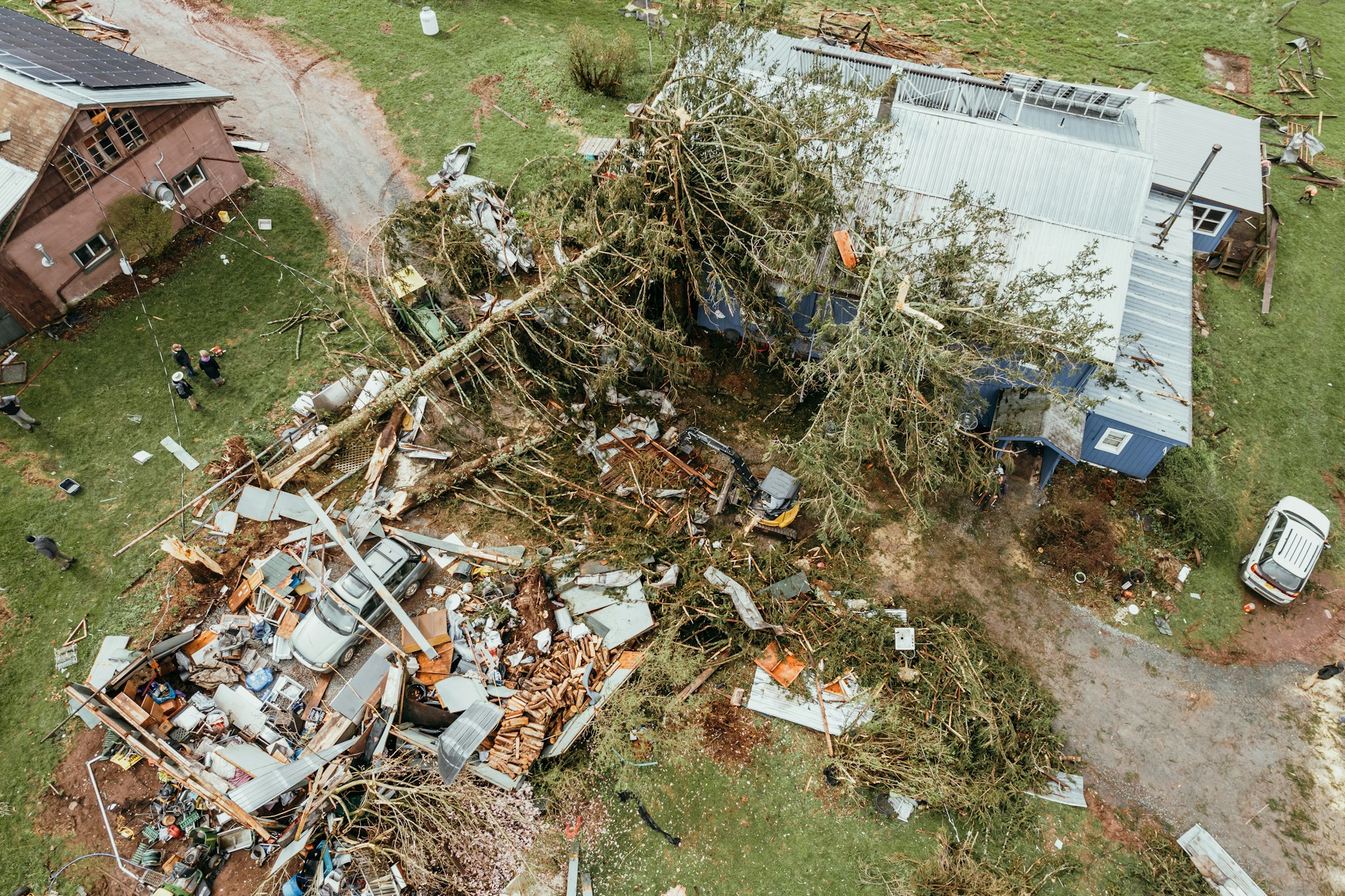
Catastrophe Insurance: What Is It, and Does It Cover Hurricane Damage?
When a hurricane threatens your area, you may wonder whether your home is protected against everything the storm brings. The answer is not always simple. Wind, rain, storm surge, and flooding can damage the same property, but insurance companies may treat each source of damage differently.
Catastrophe insurance can help protect you from major disasters, but it is not usually one complete policy that covers every possible loss. Understanding what the term means can help you find gaps before a storm puts your home and finances at risk.
What Is Catastrophe Insurance?
Catastrophe insurance is a general term for coverage that protects against severe events capable of causing widespread damage. These events may include hurricanes, floods, earthquakes, wildfires, tornadoes, and other natural disasters.
For homeowners, catastrophe protection often comes from several policies rather than one product. Your coverage may include:
- A homeowners insurance policy
- A separate flood insurance policy
- Windstorm or hurricane coverage
- Earthquake insurance
- Additional coverage added through an endorsement
An endorsement is a change or addition to an insurance policy. It can add coverage, remove an exclusion, or adjust the limits of your existing protection.
The important point is that catastrophe insurance does not automatically mean every disaster is covered. You must review the specific events listed in each policy, along with its exclusions, limits, and deductibles.
Does Catastrophe Insurance Cover Hurricane Damage?
Catastrophe insurance may cover hurricane damage, but the answer depends on what caused the loss and which policies you purchased.
A hurricane can produce several types of damage. Your homeowners policy might cover one type while excluding another. For example, it may cover damage caused by strong winds but exclude damage caused by rising floodwater.
This distinction becomes important when filing a claim. An insurance adjuster will examine the property and determine whether wind, floodwater, or another cause created the damage.

What Hurricane Damage May Be Covered?
Wind Damage
Standard homeowners insurance often covers wind damage, but coverage can vary in coastal and hurricane prone areas. Some policies exclude wind damage or require homeowners to purchase separate windstorm insurance.
Covered wind losses may include:
- Shingles torn from the roof
- Siding damaged by strong gusts
- Windows broken by flying debris
- A tree falling onto the house
- Rain entering through an opening created by covered wind damage
If wind tears part of your roof away and rain damages the ceiling or furniture, your policy may cover both the roof and the resulting indoor damage. The exact decision will depend on the policy language and evidence from the loss.
In certain coastal areas, homeowners may need coverage through a state wind insurance program or another specialized insurer.
Damage to Personal Belongings
If hurricane wind damages covered belongings, the personal property section of your homeowners policy may help pay to repair or replace them.
Payment depends on whether your policy uses actual cash value or replacement cost coverage. Actual cash value subtracts depreciation for age and wear. Replacement cost coverage generally pays what it costs to replace the item with a similar new one, up to the policy limit.
Temporary Living Expenses
Your policy may also include additional living expense coverage. This helps pay certain costs if covered hurricane damage makes your home unsafe to occupy.
It may cover expenses such as hotel stays, temporary rent, and the additional cost of meals. It will not usually apply when the damage comes from an excluded cause, such as flooding.
What Hurricane Damage Is Usually Not Covered?
Flooding and Storm Surge
Most homeowners insurance policies do not cover flooding. This includes water that rises from the ground, overflowing rivers, and storm surge pushed inland by a hurricane.
You generally need a separate flood insurance policy for this protection. Flood coverage is available through the National Flood Insurance Program and some private insurers. According to FloodSmart, flood insurance covers direct physical losses caused by flooding, while most homeowners policies exclude them.
This means a home could have coverage for roof damage caused by wind but no coverage for damage caused by storm surge during the same hurricane.
Existing Damage and Poor Maintenance
Insurance covers sudden and accidental losses, not problems that existed before the storm. A claim may be denied if water entered through a roof that had already deteriorated because of age, neglect, or unrepaired leaks.
Homeowners remain responsible for routine maintenance. Keep records of roof inspections and repairs because they may help show that your home was in good condition before the hurricane.
Earth Movement
Hurricanes can contribute to landslides, mudslides, or ground movement. Standard homeowners policies commonly exclude these events. Separate coverage may be necessary depending on your location and risk.
How Hurricane Deductibles Work
A deductible is the amount you must pay toward a covered claim before the insurer pays its share.
Hurricane and windstorm deductibles are often calculated as a percentage of your dwelling coverage rather than as a fixed dollar amount. The Insurance Information Institute explains that these deductibles commonly range from 1 percent to 5 percent, although rules and options vary by state and insurer.
For example, if your home has $400,000 in dwelling coverage and a 2 percent hurricane deductible, you would be responsible for the first $8,000 of covered damage. This can be much higher than the standard deductible used for other claims.
Your policy should explain when the hurricane deductible applies and what event triggers it.
How to Check Whether Your Home Is Protected
Do not wait until a hurricane appears in the forecast to review your coverage. Some insurers may temporarily stop issuing policies or changing coverage when a storm approaches.
Check your policy declarations page, which summarizes your coverage limits and deductibles. Then ask your insurance agent:
- Does my policy cover hurricane wind damage?
- Is windstorm coverage excluded?
- What hurricane deductible applies?
- Do I have replacement cost coverage?
- Are additional living expenses covered?
- Do I need a separate flood policy?
- Are my coverage limits enough to rebuild my home?
Flood policies may also have a waiting period before coverage begins. The National Association of Insurance Commissioners notes that National Flood Insurance Program policies generally take effect 30 days after purchase, subject to limited exceptions.
Start Your Quote Today
Our licensed specialist will search for the best insurance quotes and will email you when ready.