Does My Insurance Cover Hurricane Damage? Know What Your Policy Protects
Does my insurance cover hurricane damage? In many cases, homeowners insurance covers damage caused by hurricane winds, fallen trees, and wind-driven rain. However, it usually does not cover flooding or storm surge.
That difference can leave homeowners with a serious coverage gap. The answer depends on what caused the damage, where the home is located, and whether the policy includes separate wind, flood, or named-storm coverage.
What Hurricane Damage Does Homeowners Insurance Cover?
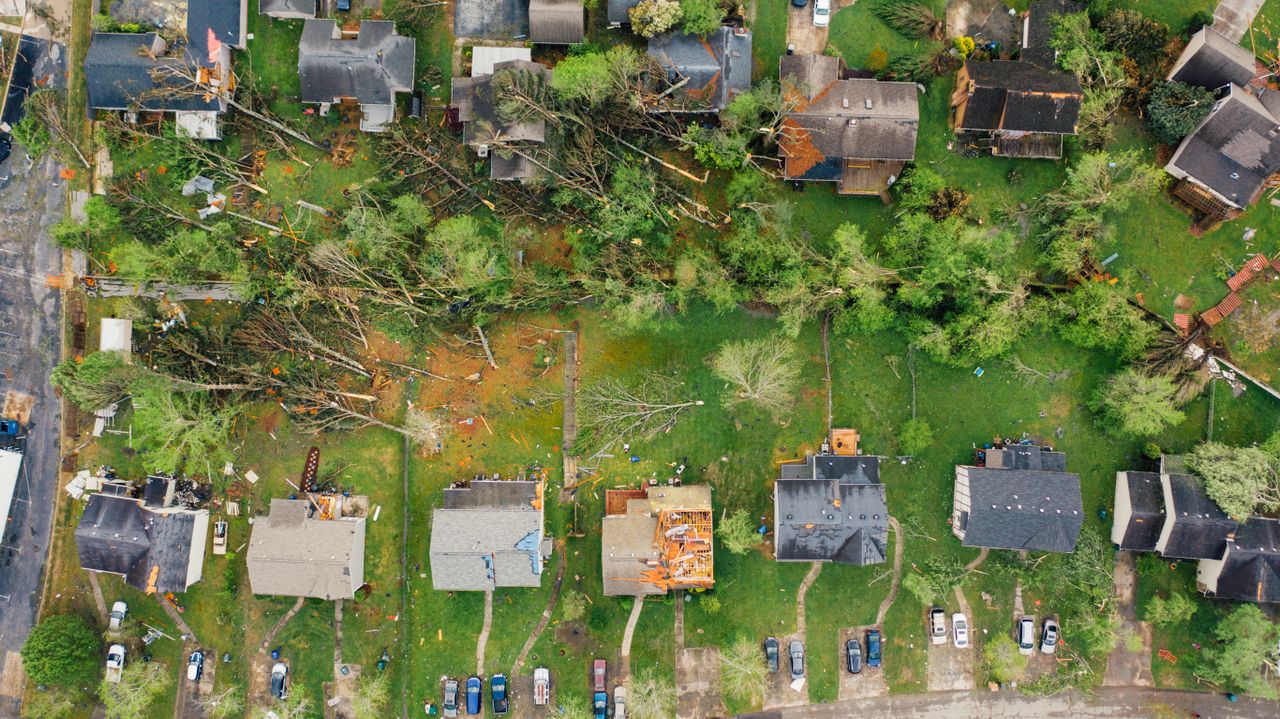
A standard homeowners policy generally covers sudden damage caused by wind. For example, your policy may help pay for repairs if hurricane winds tear shingles from your roof, damage your siding, or send a tree through part of your home.
Depending on your policy, coverage may include:
- Your roof, walls, windows, and attached structures
- Detached structures, such as a garage or shed
- Furniture, appliances, clothing, and other belongings
- Additional living expenses if covered damage makes your home temporarily unlivable
- Certain cleanup costs and damage caused by fallen trees
Coverage is never automatic. Your insurer will review the cause of the damage along with your policy limits, exclusions, and deductible.
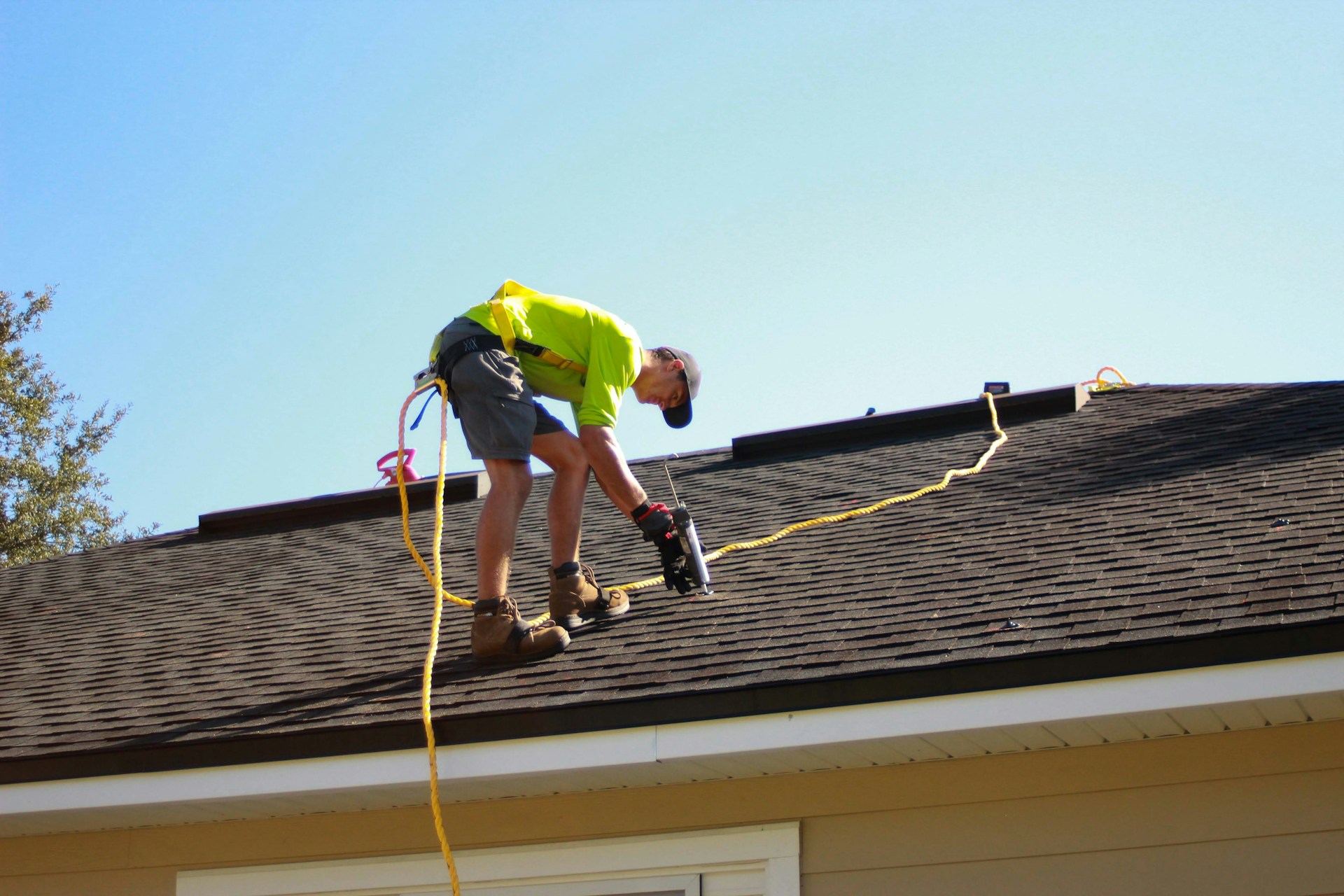
Damage linked to wear and tear, poor maintenance, or an existing leak is usually not covered. For example, if an aging roof had been leaking before the hurricane, your insurer may decide that maintenance problems contributed to the damage.
Is Hurricane Flooding Covered by Homeowners Insurance?
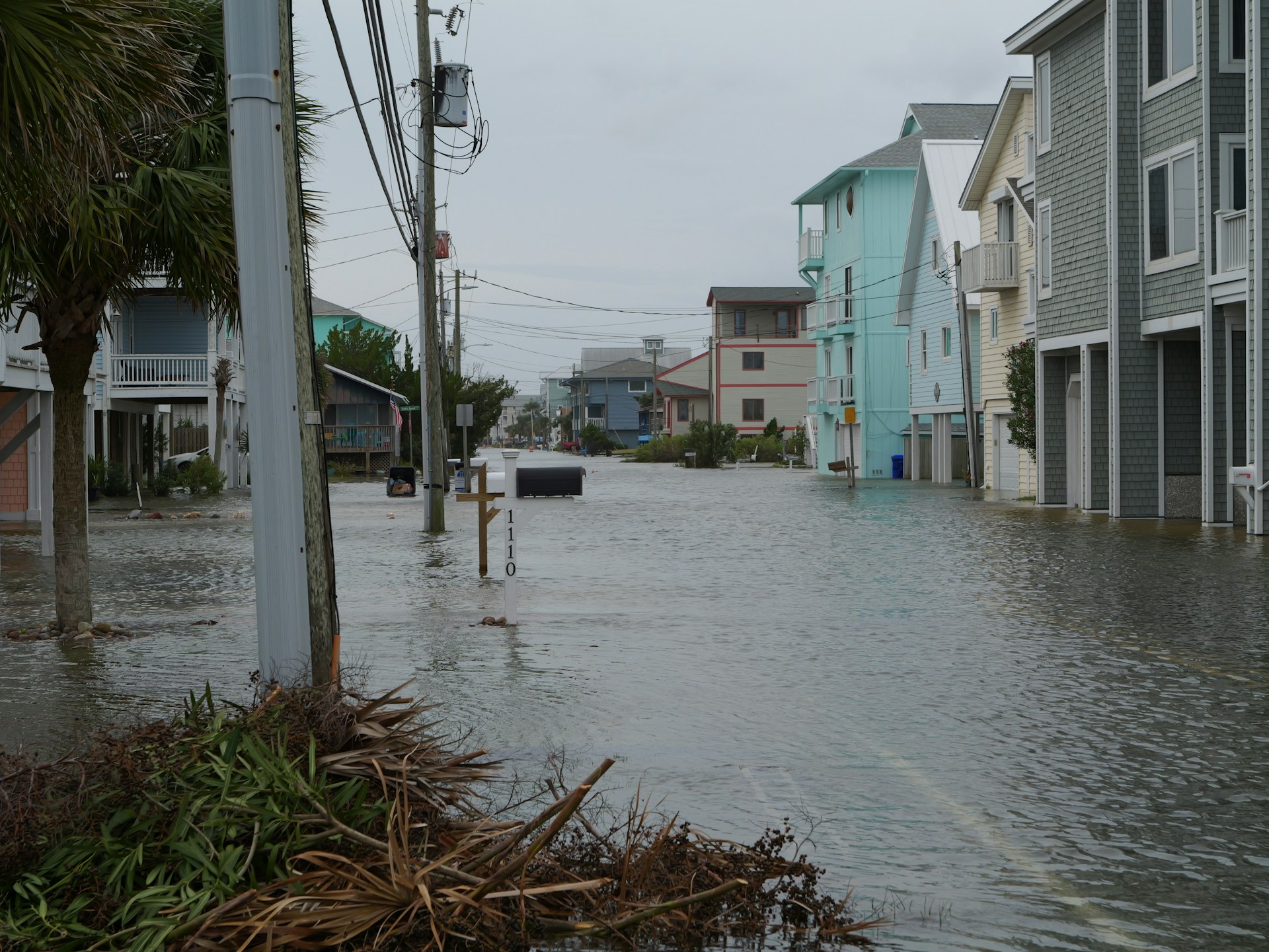
Standard homeowners insurance usually does not cover flooding caused by rising water. This includes storm surge, overflowing rivers, and heavy rain that collects on the ground before entering your home.
You generally need a separate flood insurance policy for this protection. Flood coverage may be available through the National Flood Insurance Program or a private insurance company.
Flood insurance can include two main types of protection:
- Building coverage for the structure and certain permanently installed systems
- Contents coverage for belongings such as furniture, clothing, and appliances
One storm can create both a homeowners claim and a flood claim. If wind damages your roof and storm surge later floods the first floor, separate insurers may need to determine which type of damage applies to each part of the loss.
Do not assume you are safe because your home is outside a mapped high risk flood zone. Flooding can happen outside these areas, and federal disaster assistance is not guaranteed. Even when assistance becomes available, it is not designed to replace insurance or fully restore your home.
What about wind driven rain?
Wind driven rain may be covered when hurricane winds first damage a covered part of your home and create an opening. For example, if wind breaks a window and rain damages the room inside, the resulting water damage may be covered.
The outcome may be different if rain enters through:
- An open door or window
- A preexisting roof leak
- Deteriorated seals or flashing
- A poorly maintained roof
- An area that was not damaged by the storm
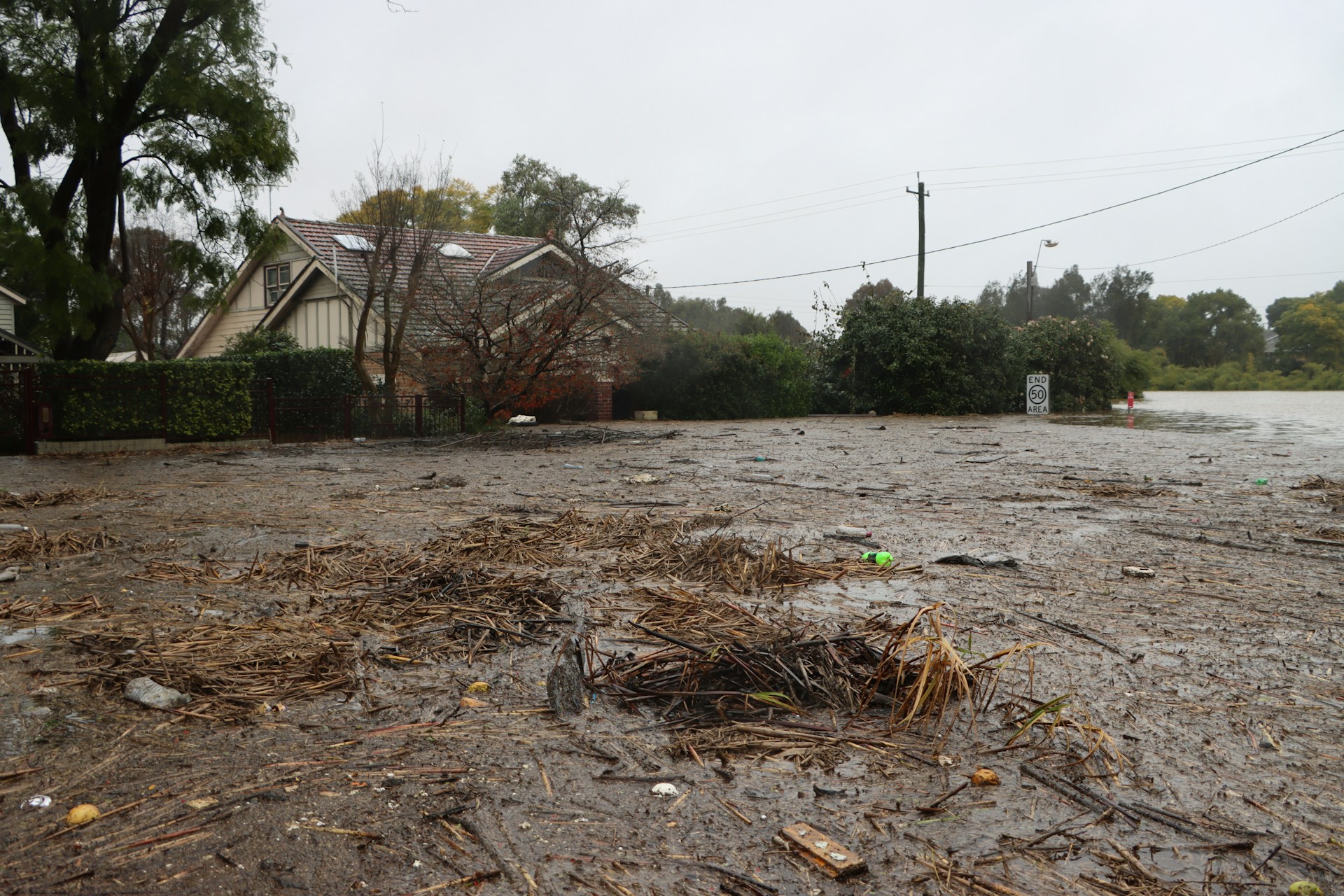
A helpful way to understand the difference is to look at where the water came from. Rain entering from above through a storm damaged roof may fall under homeowners insurance. Water rising from the ground, including storm surge, generally falls under flood insurance.
Your policy wording ultimately controls what is covered, so review exclusions involving rain, seepage, deterioration, and flooding carefully.
How Do Hurricane Deductibles Affect a Claim?
Even when hurricane wind damage is covered, you may have a separate hurricane, named storm, or windstorm deductible.
Unlike a standard deductible with a fixed dollar amount, these deductibles are often calculated as a percentage of your home’s insured value.
For example, if your home is insured for $400,000 and your hurricane deductible is 2 percent, you may be responsible for the first $8,000 of covered damage. The calculation is based on the insured value of your home, not the total cost of the claim.
Check your policy’s declarations page for terms such as:
- Hurricane deductible
- Named storm deductible
- Windstorm deductible
- Wind and hail deductible
- Percentage deductible
- Wind coverage exclusion
The event that activates the deductible can vary by state and insurer. It may depend on when a storm is officially named, reaches a certain strength, or enters a defined area.
Why Does Hurricane Coverage Vary by Location?
Two homeowners can have similar homes but very different hurricane protection. Coverage depends on the state, insurer, policy type, and level of risk.
Homes near the coast may have higher wind deductibles, separate wind policies, stricter roof requirements, or exclusions that are less common inland. Insurers may also consider the home’s age, roof condition, construction materials, elevation, claims history, replacement cost, and distance from the coast.
The type of property matters as well:
- Single family homes: Coverage may include the dwelling, belongings, detached structures, and temporary living expenses.
- Condominiums: The association’s master policy and the unit owner’s policy may cover different parts of the property.
- Rental properties: A landlord policy may protect the structure, while tenants need renters insurance for their belongings.
- Manufactured homes: Specialized coverage and wind restrictions may apply.
- Commercial properties: Wind, flood, and business interruption coverage may need to be purchased or reviewed separately.
Also check whether your policy settles roof and personal property claims using replacement cost or actual cash value. Replacement cost is generally based on the amount needed to repair or replace covered property. Actual cash value subtracts depreciation, which may leave you with a smaller payment for an older roof or damaged belongings.
How Can You Check Your Hurricane Coverage Before a Storm?
The best time to review your insurance is before a hurricane appears in the forecast. Insurers may temporarily stop issuing new policies or changing coverage once a storm approaches.
Use this checklist when reviewing your policy:
- Start with the declarations page. Confirm your coverage limits and deductibles.
- Look for wind restrictions. Check for hurricane, named storm, windstorm, and wind and hail terms.
- Confirm your flood coverage. Flood insurance is usually not included in a homeowners policy.
- Review your roof coverage. Find out whether damage will be settled at replacement cost or actual cash value.
- Check additional living expenses. Confirm what may be covered if you need to leave your home after a covered loss.
- Update your home inventory. Save photos, videos, receipts, and serial numbers somewhere you can access after the storm.
- Ask about coverage gaps. Have your agent explain anything that is excluded, limited, or covered under a separate policy.
Do not wait until a hurricane warning is issued. National Flood Insurance Program policies typically have a 30 day waiting period, with limited exceptions, and insurance companies may pause new homeowners or wind coverage as a storm gets closer.
Start Your Quote Today
Our licensed specialist will search for the best insurance quotes and will email you when ready.