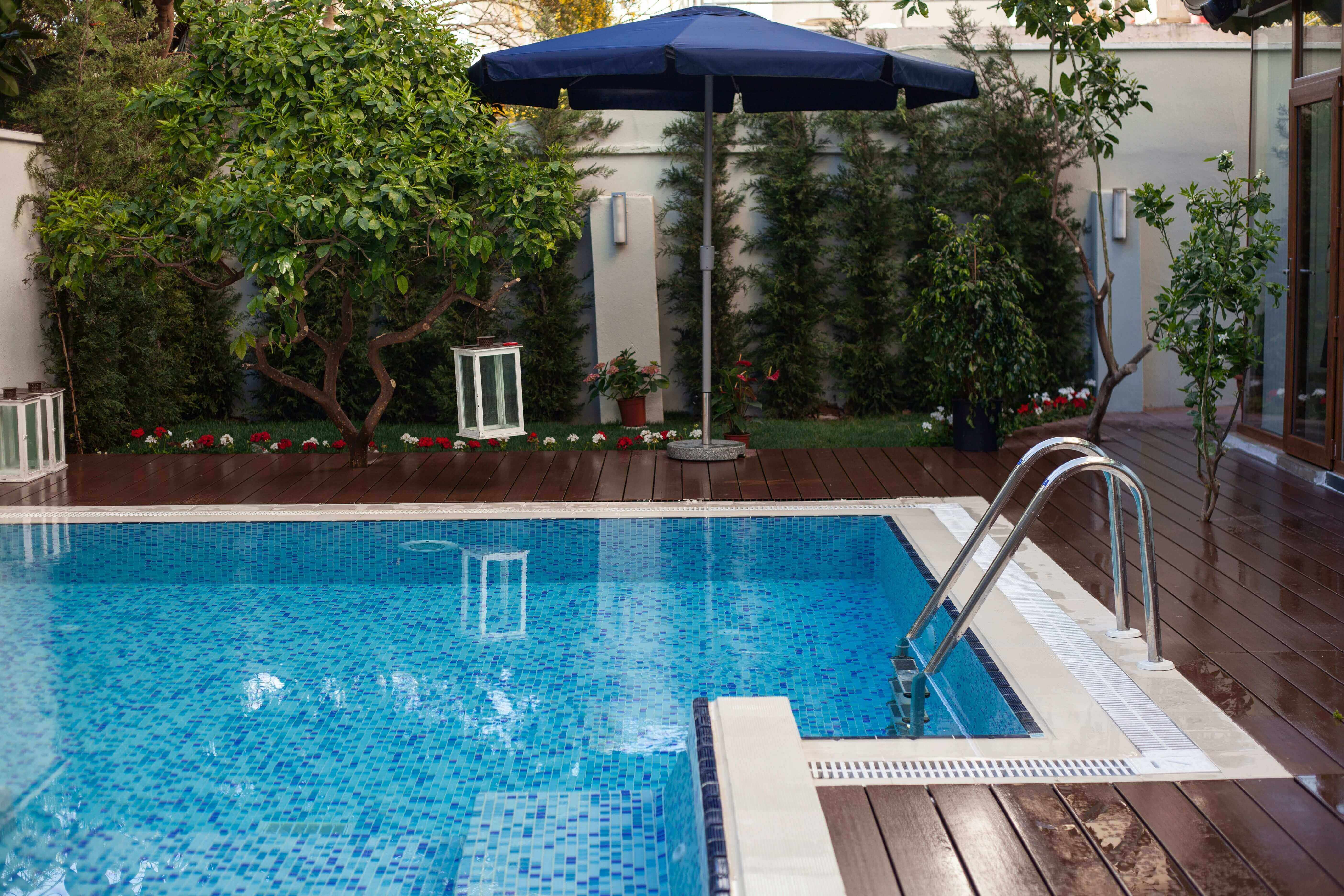
A backyard pool can make family time more fun, especially during warm weather. But it can also create serious risks if safety rules are unclear or ignored.
For many homeowners, pool safety only becomes a major concern after an accident, a near miss, or a question from their home insurance company. The truth is simple. If you own a pool, you have a responsibility to keep your family, guests, and neighbors safe.
Pool safety is also tied to your homeowners insurance. If someone gets hurt in or around your pool, you may need liability coverage. Liability coverage helps pay for costs if you are legally responsible for another person’s injury or property damage. Still, insurance should never be your first line of protection. Good safety habits matter more.
Here are 10 pool safety rules every family should follow.
1. Install a Secure Pool Fence
A pool fence creates a barrier between the pool and children, pets, visitors, or neighbors. This is one of the most important safety steps a homeowner can take.
The fence should fully surround the pool and have a self-closing, self-latching gate. That means the gate closes and locks on its own after someone walks through it.
Some areas have local pool fence rules. Your insurance company may also ask if your pool is fenced before offering or renewing your homeowners insurance. If your pool does not meet safety standards, your coverage may become more limited or expensive.
2. Keep the Gate Locked When the Pool Is Not in Use
A fence only helps if the gate stays closed and locked. Make it a family rule to check the gate after every pool use.
This is especially important if young children live nearby. Even if your own children are older, a neighbor’s child could enter the yard without permission. In many cases, homeowners can still face liability if someone gets hurt on their property, even when they were not invited.
A locked gate helps reduce that risk and shows that you took reasonable steps to prevent access.
3. Never Let Children Swim Without Adult Supervision
Children should never swim without a responsible adult watching them. Supervision means giving full attention, not checking a phone, cooking, cleaning, or talking inside the house.
For younger children, an adult should stay close enough to reach them quickly. Even strong young swimmers can panic, get tired, or slip underwater.
Set a clear “water watcher” rule during gatherings. One adult should be assigned to watch the pool at a time. When that person needs a break, another adult should take over.
4. Teach Children Basic Water Safety
Swimming lessons can help children feel more confident in the water, but lessons do not make them accident-proof. Children still need rules, supervision, and reminders.
Teach simple pool safety habits such as:
- Do not run near the pool
- Do not push others into the water
- Do not swim alone
- Ask an adult before entering the pool
- Stay away from drains and pool equipment
These rules may sound basic, but repeating them often helps children remember what to do.
5. Keep Rescue Equipment Nearby
Every pool area should have basic safety equipment within easy reach. This may include a life ring, rescue hook, or flotation device.
Do not store rescue equipment in a garage or shed where it takes time to find. In an emergency, every second matters.
It is also smart to keep a phone nearby when people are swimming. That way, you can call for help quickly if needed. Make sure adults in the home know where emergency supplies are located.
6. Learn CPR and Emergency Response Basics
CPR, or cardiopulmonary resuscitation, is an emergency method used when someone stops breathing or their heart stops beating. It uses chest compressions and rescue breaths to help keep blood and oxygen moving until medical help arrives.
Pool owners should consider taking a CPR class. Parents, babysitters, and older teens may also benefit from learning emergency response basics.
You do not need to be a medical professional to learn CPR. Many local organizations offer short training courses. Knowing what to do in the first few minutes of an emergency can make a major difference.
7. Set Rules for Guests
If you invite people over to swim, do not assume they know your pool rules. Explain them clearly before anyone gets in the water.
Guest rules may include:
- No diving in shallow areas
- No glass near the pool
- No swimming without an adult present
- No rough play
- No alcohol while supervising children
Clear rules protect your guests and your family. They also reduce the chance of arguments or confusion if something goes wrong.
8. Keep the Pool Area Clear of Hazards
Pool decks can become slippery. Toys, towels, hoses, and furniture can create tripping hazards. Keep the area around the pool clean and organized.
Remove pool toys from the water after swimming. Bright toys can attract young children to the pool when no adult is watching.
Check the pool area often for loose tiles, broken ladders, damaged lights, or cracked surfaces. If you know about a hazard and ignore it, your liability risk may increase.
9. Review Your Homeowners Insurance Coverage
Owning a pool may affect your homeowners insurance. Insurance companies often see pools as an increased risk because guests can get hurt.
Check your policy to understand your liability coverage limit. A limit is the maximum amount your insurance company may pay for a covered claim. If your liability limit is low, you may want to ask your agent about increasing it.
You may also want to ask about umbrella insurance. Umbrella insurance adds extra liability protection above your standard home insurance limits. It can help if a serious accident leads to high medical bills or legal costs.
Be honest with your insurer about your pool. If you fail to disclose it, you may create problems during a future claim.
10. Maintain the Pool Regularly
A clean pool is not only nicer to use. It is also safer.
Poor maintenance can lead to cloudy water, slippery surfaces, broken drains, or unsafe chemical levels. Cloudy water makes it harder to see if someone is struggling below the surface. Too many or too few chemicals can irritate skin, eyes, or lungs.
Create a simple pool maintenance routine. Check water clarity, clean the deck, inspect equipment, and repair damage as soon as possible.
Why Pool Safety Matters for Insurance
Insurance can help after an accident, but it does not remove your responsibility as a homeowner. Insurers may look at whether you took reasonable care of your property.
Reasonable care means doing common-sense things to prevent harm. If your insurer finds that you ignored known risks, your claim may become more complicated. Safety steps protect people first, and they also help protect your finances.
Start Your Quote Today
Our licensed specialist will search for the best insurance quotes and will email you when ready.