Getting into a fender bender is an unfortunate situation that can leave you feeling overwhelmed, but knowing what to do can make a big difference. Whether you’re on a busy street or in a quiet parking lot, handling the situation calmly and correctly can help ensure that everyone stays safe and your insurance claim goes smoothly.
What to Do Right Away
The moments immediately following a fender bender can be stressful, but it is crucial to stay focused and take the right steps. Knowing what to do immediately after the accident can protect you, ensure everyone is safe, and make the claims process easier.
1. Stay Calm and Safe
When an accident happens, the first step is to stay calm. Panicking can make the situation worse and prevent you from thinking clearly. Check yourself, your passengers, and anyone else involved in the accident to make sure everyone is safe. If you are on a busy road, it’s important to move your vehicle to the side to avoid blocking traffic. Turn on your hazard lights to alert other drivers. If you cannot move the vehicles, stay inside with your seatbelt on until help arrives.
2. Check for Injuries
Even a minor accident can cause injuries. Make sure to check for injuries in yourself, your passengers, and the other driver(s). If anyone is injured, call 911 immediately to get medical assistance. Even if there are no visible injuries, it is a good idea to have medical professionals assess the situation. Some injuries may not be immediately apparent, and having a medical professional evaluate everyone can prevent long-term issues.
3. Call 911
If there are injuries or significant damage, you should always call 911 to report the accident. In many cases, having a police report is essential for filing an insurance claim. The report will serve as an official document outlining what happened, which can help when determining fault. Be sure to ask for a copy of the police report for your records. If the accident is minor, the authorities might not need to come to the scene, but it’s always a good idea to file a report if there is any uncertainty.
4. Take Photos
After checking for injuries, it’s time to document the scene. Taking photos is crucial for insurance claims and can provide important evidence. Take clear pictures of the damage to both vehicles, any nearby road signs, and the surrounding area. Capture wide shots of the scene to show the full context, including skid marks or obstacles that might have contributed to the accident. These photos can be useful for both your insurance company and the authorities.
5. Exchange Information
It is essential to exchange information with the other driver involved in the accident. This includes the driver’s full name, phone number, address, and insurance details, as well as their driver’s license number and license plate number. If there are any witnesses to the accident, make sure to get their contact information as well. Having all the necessary information on hand will make the claims process much easier.
6. Do Not Admit Fault
It’s important not to admit fault at the scene of the accident. Even if you feel you were responsible, making any statement that could be interpreted as admitting fault can complicate the situation. Keep the conversation focused on exchanging details and allow the insurance companies and law enforcement to determine who is at fault. Let the claims process unfold naturally so that both parties are treated fairly.
What to Do After the Accident
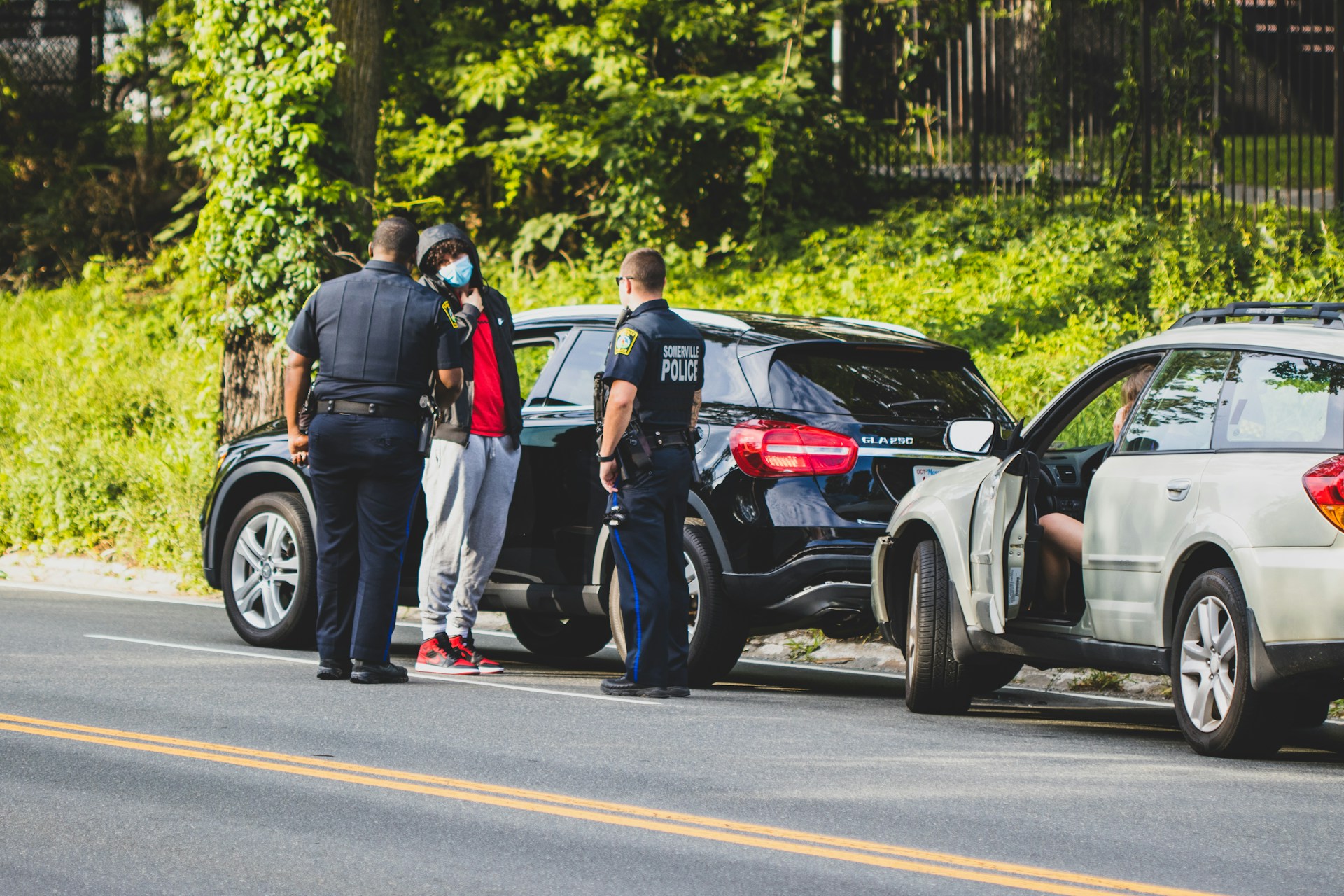
Once the immediate steps are taken and the scene is documented, there are a few important actions to follow up on. These steps will help ensure the claims process goes smoothly and that all necessary repairs are covered.
1. Contact Your Insurance Company
After the accident, it is important to contact your insurance company as soon as possible. Most insurance companies have a time limit for reporting accidents, so you will want to report it promptly. Be prepared to provide the details you gathered, such as the other driver’s information, photos of the scene, and the police report if applicable. This will kickstart the claims process and help your insurance company handle the situation from their end.
2. Follow Up on the Claim
After you report the accident, stay in contact with your insurance company to make sure the claim is progressing. Your insurance company might need additional information, such as an estimate for repairs or further documentation. It’s also a good idea to keep track of any communication with the insurance company so that you have a record of your claim's status. If there are any delays, follow up regularly to make sure everything is being handled.
3. Get Your Vehicle Assessed
Once your claim is submitted, your insurance company may require an assessment of the damage to your vehicle. They might ask you to take your car to an approved repair shop or send an adjuster to evaluate the damage. It is important to get an estimate for repairs so that your insurer can cover the costs. If you believe the repair estimate is too high, you can request a second opinion. Always ensure that you get a proper assessment to avoid unexpected out-of-pocket costs.
4. Avoid Direct Communication with the Other Driver’s Insurance
When dealing with the aftermath of a fender bender, let your insurance company handle communication with the other driver’s insurance company. It’s important not to discuss the details of the accident directly with their insurance adjuster. Allow your insurance company to take care of negotiations and claims, as they are trained to handle these situations and will help protect your interests.
FAQs
What should I do if I hit someone in a fender bender?
First, stay calm and check for injuries. Call 911 if needed and make sure to exchange information with the other driver. Take photos and document everything to support your insurance claim.
Do I need to file a police report for a fender bender?
If there are injuries or significant damage, you should file a police report. It helps provide an official record of the incident and is useful when dealing with insurance claims.
How soon should I report a fender bender to my insurance company?
Report the accident to your insurance company as soon as possible. Most insurers have time limits, so the earlier you report the better.
Should I apologize after a fender bender?
Avoid apologizing or admitting fault. Let the insurance companies determine fault. Your apology may be misinterpreted as an admission of liability.
What if the other driver does not have insurance?
If the other driver does not have insurance, check with your insurance company about your options. Uninsured motorist coverage might help cover the costs of the accident.
Start Your Quote Today
Our licensed specialist will search for the best insurance quotes and will email you when ready.