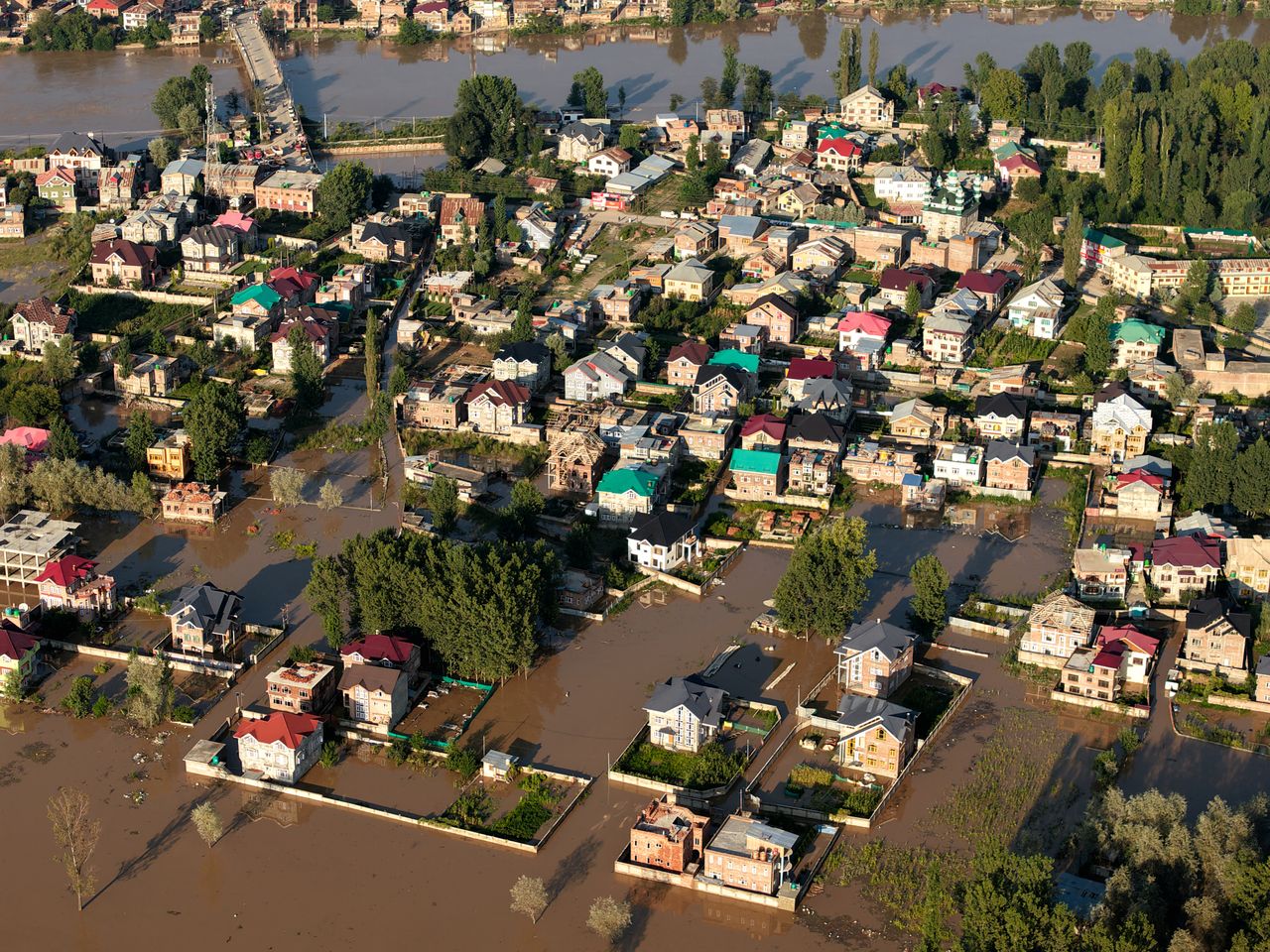
Flood damage can happen fast, and the repair costs can feel overwhelming. A few inches of water inside your home can damage flooring, walls, furniture, appliances, electrical systems, and personal belongings. Many homeowners only find out after a storm that their standard home insurance policy does not cover flooding.
That is where flood insurance comes in. It is a separate policy designed to help pay for covered damage caused by floodwater. For homeowners in flood-prone areas, it can be the difference between a difficult recovery and a financially devastating one.
What Is Flood Insurance?
Flood insurance is a policy that helps cover direct physical damage caused by flooding. In simple terms, it helps pay for repairs or replacement when outside water enters your home and damages the structure or your belongings.
A flood usually means water has covered land that is normally dry. This can happen because of:
- Heavy rain
- Storm surge
- Overflowing rivers or lakes
- Rapid snowmelt
- Poor drainage
- Flash flooding
- Coastal flooding
In the United States, many homeowners buy flood insurance through the National Flood Insurance Program, also called NFIP. The NFIP provides flood insurance to property owners, renters, and businesses to help them recover after floodwaters recede.
Private flood insurance may also be available, depending on your location and the insurer.
Does Homeowners Insurance Cover Flooding?
In most cases, standard homeowners insurance does not cover flood damage. This is one of the biggest misunderstandings homeowners have about their policy.
Home insurance may cover certain types of water damage. However, it usually does not cover water that enters your home from outside due to rising floodwater.
For example, your homeowners insurance may help if a pipe suddenly bursts in your kitchen. But if heavy rain causes water to enter through your front door, basement, or foundation, you would likely need flood insurance.
What Does Flood Insurance Cover?
Flood insurance usually has two main types of coverage: building coverage and contents coverage.
Building Coverage
Building coverage helps pay for damage to the physical structure of your home. This includes the parts of the house that are attached or built in.
It may cover items such as:
- Foundation walls and staircases
- Electrical and plumbing systems
- Furnaces and water heaters
- Central air conditioning systems
- Built-in appliances
- Permanently installed cabinets
- Flooring
- Detached garages, depending on the policy
Under the NFIP, homeowners can typically insure a residential building for up to $250,000.
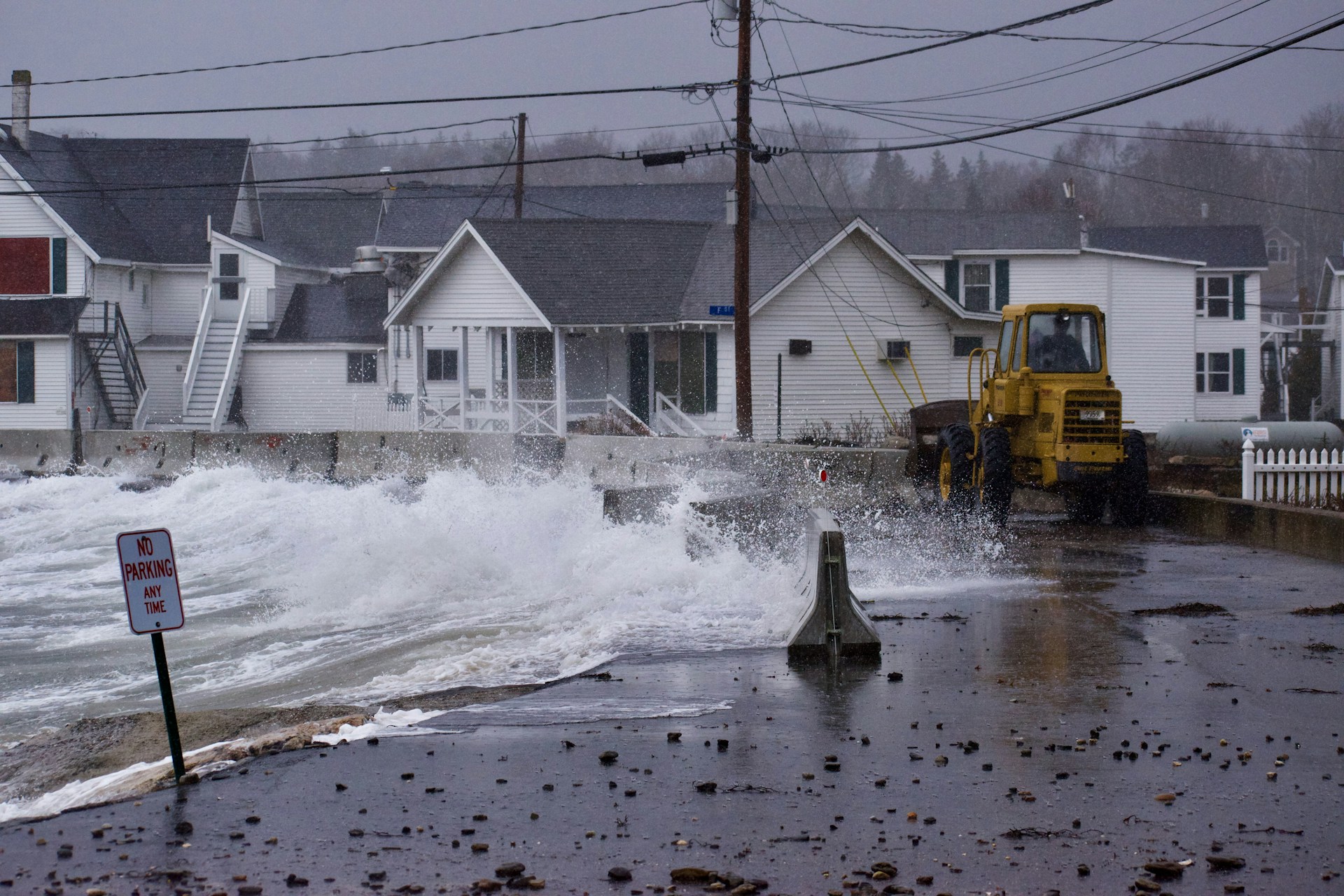
Contents Coverage
Contents coverage helps protect your personal belongings inside the home. These are the items you would usually take with you if you moved.
It may cover belongings such as:
- Furniture
- Clothing
- Electronics
- Curtains
- Portable appliances
- Some valuables, up to policy limits
Under the NFIP, residential contents coverage is available up to $100,000. (Floodsmart)
It is important to know that building coverage and contents coverage are separate. If you only buy building coverage, your personal belongings may not be protected.
What Flood Insurance Usually Does Not Cover
Flood insurance is helpful, but it does not cover everything. Knowing the limits before a flood happens can prevent surprises during a claim.
Flood insurance may not cover:
- Damage caused by moisture, mold, or mildew that could have been prevented
- Temporary housing costs
- Loss of income
- Cars or other vehicles
- Landscaping, decks, fences, pools, or hot tubs
- Cash, stock certificates, or important paper documents
- Belongings kept outside the insured building
- Some basement improvements or personal items stored in basements
Coverage for basements can be limited, especially for finished walls, flooring, furniture, or personal belongings. If you have a finished basement, ask your insurance agent to explain exactly what your policy would and would not cover.
How Flood Insurance Protects Your Home Financially
Flood insurance helps reduce the amount you would need to pay out of pocket after a flood. Without it, you may need to cover repairs, cleanup, and replacement costs yourself.
Flood damage can affect several expensive parts of a home at once. Water can ruin flooring, weaken walls, damage wiring, destroy appliances, and create mold risks. Even if the water disappears quickly, the repair process can take weeks or months.
Flood insurance gives you a clearer recovery path. Instead of relying only on savings, loans, or disaster assistance, you may have coverage that helps pay for covered repairs.
Disaster assistance is not guaranteed, and when it is available, it may come in the form of a loan that must be repaid. Flood insurance gives homeowners a more reliable source of financial protection.
Who Should Consider Flood Insurance?
Many people think flood insurance is only for homes near the coast, a river, or a lake. That is not true. Flooding can happen almost anywhere, especially with heavy rain, poor drainage, new construction, or changing weather patterns.
You should consider flood insurance if:
- You live in a high-risk flood zone
- Your mortgage lender requires it
- Your area has had flooding before
- Your home has a basement or low-lying entry points
- You live near water, hills, or poor drainage areas
- You could not easily pay for major flood repairs yourself
Even homeowners outside high-risk zones may want coverage. Flood maps can help estimate risk, but they cannot predict every storm or drainage problem.
How Much Flood Insurance Do You Need?
The right amount depends on your home, your belongings, and your financial risk.
Start by asking these questions:
- How much would it cost to repair or rebuild the damaged parts of my home?
- How much are my belongings worth?
- Do I need both building and contents coverage?
- What deductible can I afford?
- Are there policy limits that leave me exposed?
A deductible is the amount you pay before insurance starts paying for a covered claim. For example, if your deductible is $2,000 and your covered flood damage is $20,000, your insurer would subtract the deductible from the claim payment.
You should also ask whether your contents are covered at actual cash value. Actual cash value means the insurer considers depreciation, or loss of value over time. Older furniture, electronics, and appliances may be paid based on their current value, not what you paid when they were new.
When Should You Buy Flood Insurance?
The best time to buy flood insurance is before a storm is in the forecast. Many flood insurance policies have a waiting period before coverage begins. This means you usually cannot wait until heavy rain is coming and expect immediate protection.
If you are buying a home, review flood insurance early in the process. Your lender may require it if the property is in a high-risk flood area. Even if it is not required, it may still be worth considering.
Start Your Quote Today
Our licensed specialist will search for the best insurance quotes and will email you when ready.