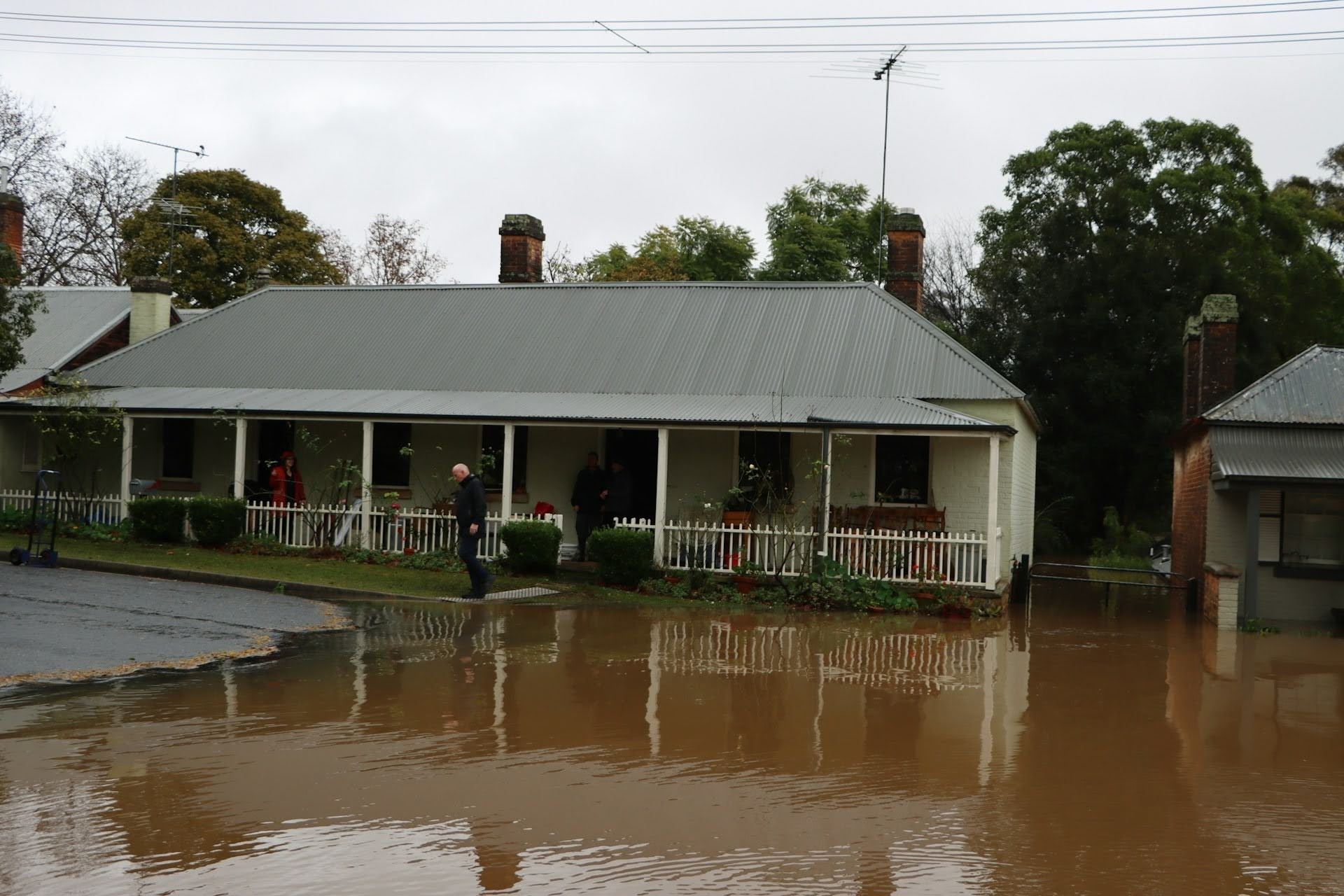
Flooding can happen faster than most homeowners expect. Heavy rain, overflowing rivers, storm surge, blocked drains, and melting snow can all send water into places it should not be. Even a few inches of water can damage flooring, walls, furniture, electrical systems, and personal belongings.
The stressful part is that many people only start preparing when water is already rising. By then, it may be too late to move valuables, protect utilities, or understand what insurance will and will not cover.
The good news is that you can reduce damage with the right preparation. You do not need to be a construction expert. You just need a clear plan before the next storm arrives.
Start by Understanding Your Flood Risk
Before you can protect your home, you need to know how likely flooding is in your area. Flood risk means the chance that your home could be affected by rising water from natural or local drainage sources.
Start by checking if your home sits in a flood-prone area. Local government websites, flood maps, and community planning offices may offer this information. Your mortgage lender or insurance agent may also help you understand your risk.
Even if your home is not in a high-risk zone, do not assume you are safe. Many flood claims happen outside mapped high-risk areas. Poor drainage, new construction nearby, or extreme rainfall can still cause water to enter your home.
Look around your property and ask yourself these questions.
- Does water pool near your foundation after heavy rain?
- Are your gutters often overflowing?
- Is your home located near a river, creek, lake, or coast?
- Does your street flood during storms?
- Is your basement or crawl space damp after rain?
These signs can help you spot problems before they turn into costly damage.
Review Your Home Insurance Before a Flood Happens
Many homeowners are surprised to learn that standard home insurance usually does not cover flood damage. Standard home insurance may cover sudden water damage from something inside the home, such as a burst pipe. Flooding from outside water is usually treated differently.
Flood insurance is a separate policy or add-on that helps pay for damage caused by rising water. This may include water from heavy rain, overflowing bodies of water, storm surge, or mudflow, depending on the policy.
Review your policy now, not during an emergency. Pay attention to these details.
- Whether flood damage is covered
- What parts of the home are included
- Whether personal belongings are covered
- The deductible, which is the amount you pay before insurance helps
- Any waiting period before coverage starts
- Policy limits, which are the maximum amount insurance may pay
Ask your insurance agent to explain anything that feels unclear. A simple review can help you avoid confusion when you need help the most.
Protect Important Documents and Valuables
Floodwater can destroy documents in minutes. Store important papers in a waterproof and fire-resistant container. Place the container on a high shelf or upper floor if possible.
Keep copies of these documents safe.
- Home insurance policy
- Flood insurance policy
- Property deed or mortgage papers
- Birth certificates and passports
- Medical records
- Vehicle titles
- Receipts for major purchases
- Home inventory records
A home inventory is a list of your belongings, including photos, videos, receipts, and estimated values. It can make insurance claims easier because it helps prove what you owned before the damage happened.
You can create a simple inventory using your phone. Walk through each room and record your furniture, electronics, appliances, clothing, tools, and other valuable items. Save the files in cloud storage so you can access them even if your phone or computer gets damaged.
Prepare the Outside of Your Home
A large part of flood preparation starts outside. Your goal is to guide water away from your home and reduce the chance of it entering through weak spots.
Clean your gutters and downspouts regularly. Gutters move rainwater away from your roof and foundation. When leaves and debris block them, water can overflow and collect near the base of your home.
Make sure downspouts release water several feet away from your foundation. You can use downspout extenders to move water farther from the house.
Check the slope of your yard. Ideally, the ground should slope away from your home, not toward it. If water flows toward your foundation, you may need help from a landscaper or drainage professional.
Also inspect these areas.
- Basement windows
- Exterior doors
- Foundation cracks
- Garage doors
- Crawl space vents
- Storm drains near your property
Seal small cracks in your foundation and walls. For larger cracks or repeated leaks, call a professional. Small repairs now may prevent major water entry later.
Reduce Flood Damage Inside the Home
Inside your home, focus on lifting, moving, or protecting anything that floodwater could damage.
If you live in a flood-prone area, raise major appliances and systems when possible. This may include your water heater, furnace, washer, dryer, and electrical panel. Even lifting these items a few inches can help reduce damage during minor flooding.
Move valuable items away from basements, lower shelves, and floor-level storage. Store seasonal items, keepsakes, and important belongings in plastic bins with tight lids instead of cardboard boxes.
Use water-resistant materials in areas that often flood. Tile, concrete, and sealed flooring may handle water better than carpet. In basements, consider furniture and storage options that can be moved quickly.
You can also install a sump pump if your basement collects water. A sump pump removes water from a low area of your home and sends it away from the foundation. If you already have one, test it before storm season. Consider a battery backup in case the power goes out.
Create a Flood Emergency Plan
A flood plan helps your household act quickly and calmly. Everyone in your home should know what to do before water reaches the door.
Start by choosing a safe place to go if you need to leave. Pick more than one route in case roads close. Never drive through floodwater. It can be deeper and stronger than it looks.
Prepare an emergency kit with basic supplies.
- Drinking water
- Nonperishable food
- Flashlights
- Batteries
- First aid supplies
- Phone chargers
- Medications
- Cash
- Pet supplies
- Copies of important documents
- A change of clothes
Keep the kit somewhere easy to reach. Review it every few months and replace expired items.
Also know how to shut off your utilities. Learn where your main water valve, gas valve, and electrical panel are located. If flooding is expected and it is safe to do so, shutting off utilities may help prevent fires, leaks, or electrical hazards.
What to Do When Flooding Is Expected
If a flood warning has been issued, act early. Do not wait until water is already entering your home.
Move furniture, electronics, rugs, and important items to a higher level. Unplug appliances if it is safe. Bring outdoor furniture, trash bins, and loose items inside or secure them so they do not float away.
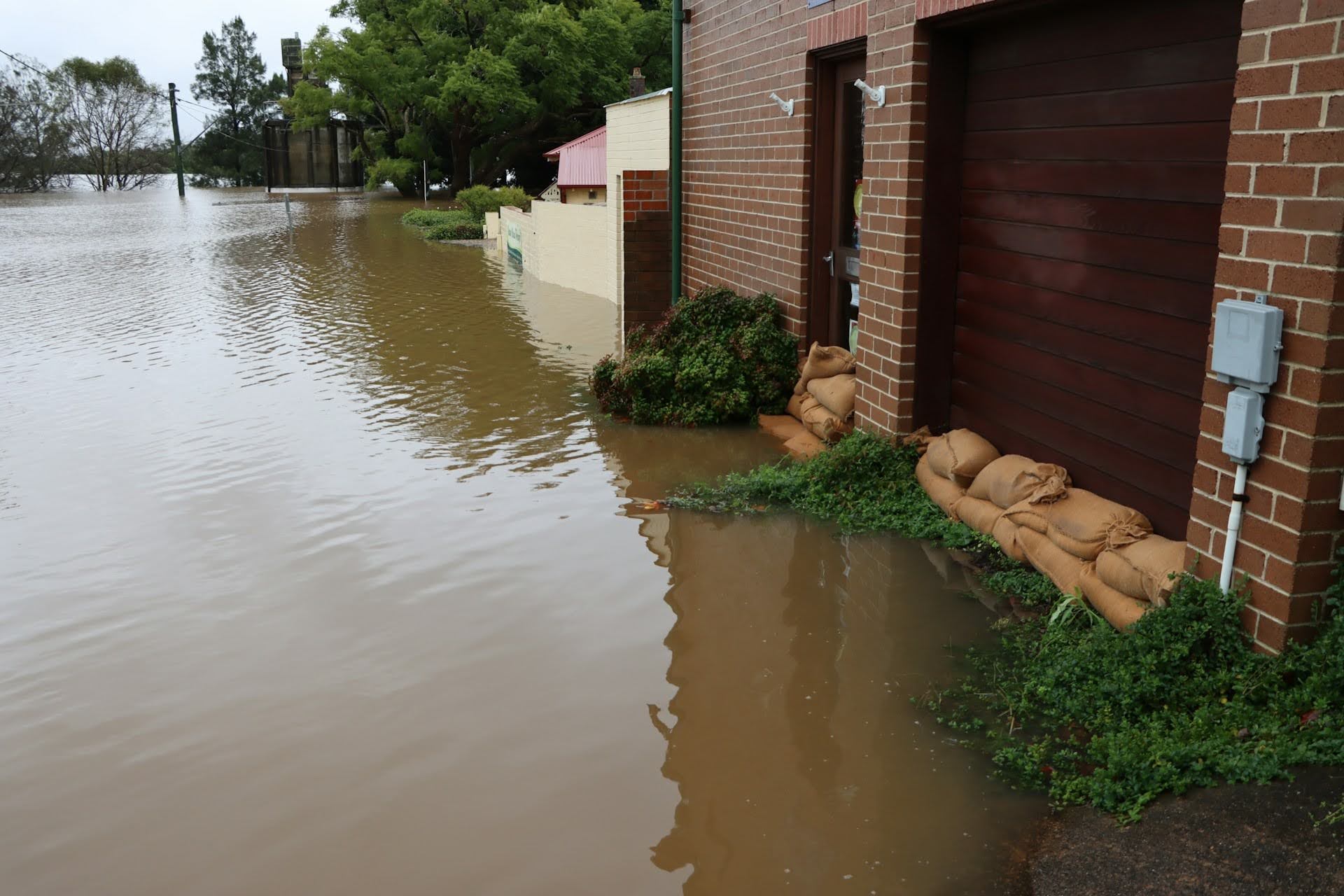
Place sandbags or flood barriers around doors, garages, and low entry points. These may not stop all water, but they can help slow it down.
Keep your phone charged and follow updates from local officials. If authorities tell you to evacuate, leave as soon as you can. Your home can be repaired. Your safety comes first.
After a Flood, Document Damage Before Cleaning
Once it is safe to return, take photos and videos before removing damaged items. This can support your insurance claim. Do not throw anything away until your insurer tells you what they need.
Avoid touching floodwater if possible. It may contain sewage, chemicals, sharp objects, or other hazards. Wear gloves, boots, and protective clothing during cleanup.
Contact your insurance company as soon as you can. Ask about the claims process, required documents, and next steps. Keep a record of every call, email, receipt, and repair estimate.
Start Your Quote Today
Our licensed specialist will search for the best insurance quotes and will email you when ready.