What Does Hurricane Insurance Cover? A Homeowner’s Guide to Coverage and Deductibles
Hurricane insurance typically covers certain types of wind-related damage through a homeowners policy, but it may not cover every source of hurricane damage. Flooding, storm surge, and even wind may require separate coverage depending on the property and location.
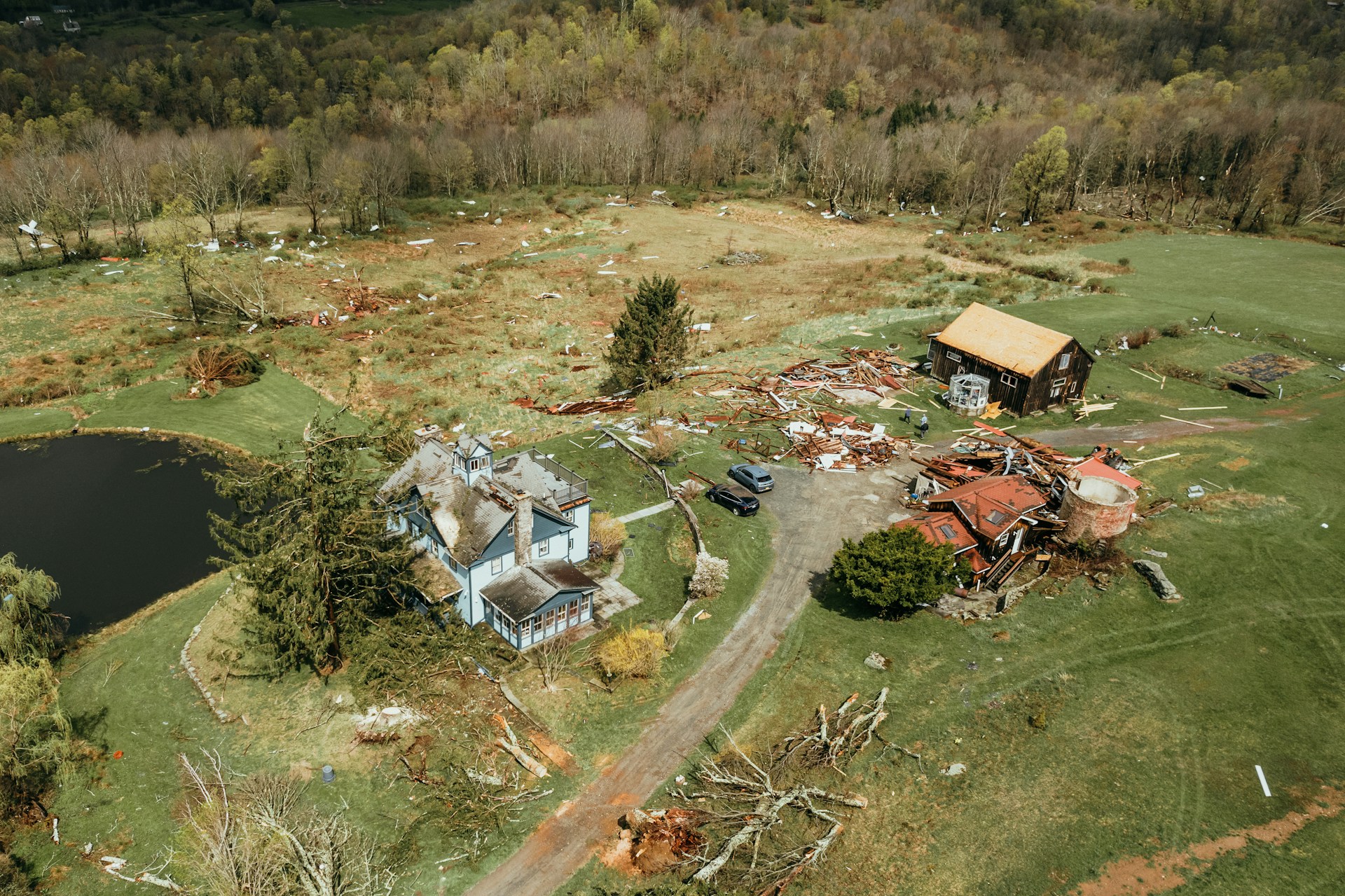
That difference matters because one hurricane can cause damage through several separate events. Wind may tear shingles from a roof, rain may enter through the opening, and storm surge may flood the first floor. Each type of damage can fall under a different policy.
What Does Hurricane Insurance Cover?
Hurricane insurance coverage is usually assembled from homeowners insurance, windstorm coverage, and flood insurance rather than purchased as one universal policy. A standard homeowners policy may cover wind damage, damaged personal property, temporary living expenses, and certain structures, subject to its terms and exclusions.
Commonly covered losses may include:
- Roof, siding, window, or structural damage caused by wind
- Rain damage that occurs after covered wind creates an opening
- Damage to furniture, electronics, and other covered belongings
- Detached structure damage, such as damage to a garage or shed
- Additional living expenses if covered damage makes the home uninhabitable
- Debris removal and certain emergency repairs after a covered loss
Coverage depends on how the damage happened. For example, rain entering through a roof opening created by hurricane winds may fall under homeowners or windstorm coverage. Water rising from the ground or entering through storm surge is generally treated as flood damage instead.
Policies also contain limits, deductibles, exclusions, and claim requirements. Reviewing only the main coverage amount is not enough to understand how much protection you have.
Does Homeowners Insurance Cover Hurricane Damage?
Homeowners insurance often covers hurricane wind damage, but coverage is not automatic in every market. Some coastal policies exclude wind or hail, limit roof payments, or require homeowners to obtain separate windstorm insurance.
When wind coverage is included, a homeowners policy may help pay for repairs to the dwelling and other insured structures. It may also cover damaged personal property and additional living expenses, depending on the policy.
However, standard homeowners insurance generally does not cover flooding. According to the federal National Flood Insurance Program, most homeowners policies exclude flood damage, and federal disaster assistance is not guaranteed.
Is storm surge covered by homeowners insurance?
Storm surge is generally considered flooding and is usually excluded from standard homeowners insurance. Homeowners may need a separate flood policy to cover direct physical damage caused by rising coastal water.
Flood insurance may be available through the National Flood Insurance Program or a private insurer. Waiting until a hurricane is approaching can be too late because policies may have waiting periods, and insurers may temporarily restrict new coverage when a storm is imminent.
What if wind and water both damage the home?
Claims involving both wind and flooding are evaluated according to the cause of each part of the damage. A homeowners or wind policy may respond to covered wind damage, while a flood policy may respond to qualifying damage caused by rising water.
Documenting the property before and after the storm can help adjusters determine what caused the loss. Policy language related to concurrent causes, exclusions, and covered openings may also affect the claim.
How Does a Hurricane Insurance Deductible Work?
A hurricane insurance deductible is the portion of a covered hurricane loss the homeowner must absorb before the insurer pays its share. It is separate from the standard deductible that may apply to losses such as fire or theft.
Hurricane and named storm deductibles are often stated as a percentage of the home’s insured value rather than a flat dollar amount. The percentage is generally applied to the dwelling coverage limit, not to the repair bill or the home’s market value.
For example, assume a home has $400,000 in dwelling coverage and a 2% hurricane deductible. The deductible would equal $8,000. If a covered hurricane causes $30,000 in damage, the homeowner would generally be responsible for the first $8,000, subject to the policy’s terms.
The actual percentage and calculation can vary significantly. The National Association of Insurance Commissioners notes that hurricane deductibles may be fixed amounts or percentages and can be substantially higher than standard deductibles.
When does a hurricane deductible apply?
A hurricane deductible applies when the policy’s stated trigger is met. The trigger may be tied to a hurricane designation, an official watch or warning, the storm’s location, or a defined period before and after the event.
A named storm deductible can have a broader trigger than a hurricane-only deductible. It may apply to tropical storms and other officially named weather systems, even when the storm never reaches hurricane strength near the property.
Triggers vary by state and insurance company. Your declarations page and policy endorsement should identify the deductible, while the policy language explains when it begins and ends.
Hurricane, Windstorm, and Flood Coverage Are Not the Same
Each type of coverage responds to a different source of damage. Having one does not necessarily mean you have the others.
- Homeowners insurance: May cover hurricane wind damage, belongings, other structures, and temporary living expenses.
- Windstorm insurance: Covers qualifying wind and sometimes hail damage when those perils are excluded from the main property policy.
- Flood insurance: Covers eligible damage caused by flooding, including water that rises from the ground and storm surge.
- Business property insurance: May cover wind damage to an insured commercial property, but flood and business interruption coverage must be reviewed separately.
Coastal homeowners may need a homeowners policy, a separate wind policy, and flood insurance to address the major risks associated with hurricanes. Small business owners in hurricane-prone areas may need a similar combination for their buildings, equipment, inventory, and income risks.
Common Hurricane Insurance Mistakes to Avoid
The most common hurricane insurance mistake is assuming that one homeowners policy covers every type of storm damage. A policy can cover wind while excluding flood, or it can exclude wind entirely in certain coastal markets.
Other costly mistakes include:
- Confusing the home’s market value with its rebuilding cost
- Reading the standard deductible but overlooking a separate storm deductible
- Assuming a 2% deductible means 2% of the claim
- Failing to check whether roof claims are paid at replacement cost or actual cash value
- Buying flood insurance too close to an approaching storm
- Forgetting to update coverage after renovations or major purchases
- Relying on federal disaster assistance as a replacement for insurance
- Keeping no home inventory, receipts, or pre-storm photos
Actual cash value coverage accounts for age and depreciation, which may reduce a claim payment. Replacement cost coverage generally pays based on the cost of replacing covered property with comparable materials, subject to the policy’s conditions and limits.
How to Review Hurricane Coverage Before the Next Storm
A useful hurricane insurance review should confirm what causes of damage are covered, which deductible applies, and whether the coverage limits reflect current rebuilding needs. The declarations page is a good starting point, but endorsements and exclusions contain equally important details.
Use this quick review checklist:
- Find your dwelling coverage limit and storm deductible.
- Convert any percentage deductible into a dollar amount.
- Check for hurricane, named storm, wind, hail, and roof endorsements.
- Confirm whether wind damage is included or requires a separate policy.
- Determine whether you have flood insurance for the building and contents.
- Review replacement cost versus actual cash value provisions.
- Check additional living expense coverage.
- Photograph your home and create an updated belongings inventory.
- Compare available options before a storm enters the forecast.
Insurance companies may pause new policies or coverage changes as a hurricane approaches. Reviewing your options early gives you more time to compare coverage, understand waiting periods, and choose a deductible you could realistically manage after a loss.
Start Your Quote Today
Our licensed specialist will search for the best insurance quotes and will email you when ready.