Does Homeowners Insurance Cover Wind-Driven Rain During a Hurricane?
You discover water stains on the ceiling after a hurricane. The carpet feels damp, and rain has soaked the furniture near a broken window. Now you are wondering: Will homeowners insurance cover the damage?
The answer depends on how the rain entered your home. Homeowners insurance may cover wind-driven rain when hurricane winds first damage the house and create an opening. However, coverage may not apply if rain entered through an existing leak, an open window, or flooding at ground level.
Here is how insurers usually evaluate this type of claim and what you can do to protect yourself.
What Is Wind-Driven Rain?
Wind-driven rain happens when strong winds push rain into a building. During a hurricane, rain can enter through damaged roofing, broken windows, loose siding, vents, or gaps around doors.
The important question is not simply whether rain entered your home. Your insurance company will want to know what allowed it to get inside.
For example, imagine that hurricane winds tear several shingles from your roof. Rain then enters through the exposed area and damages your ceiling and flooring. Because wind caused the opening, your homeowners policy may cover both the roof damage and the resulting water damage.
When Does Homeowners Insurance Cover Wind-Driven Rain?
A standard homeowners policy often covers sudden damage caused by wind. It may also cover rain damage that happens as a direct result of that wind damage.
Coverage may apply when:
- A fallen tree or wind-blown object creates a hole in the roof.
- Hurricane winds break a window and allow rain inside.
- Wind damages siding, flashing, or another exterior part of the home.
- Rain damages walls, ceilings, flooring, or belongings after a covered opening forms.
Your policy may help pay to repair the damaged part of the house and replace covered belongings. If the home becomes unsafe to live in, it may also provide additional living expenses. This coverage helps with certain temporary costs, such as a hotel or extra meal expenses, while covered repairs take place.
Every policy has its own conditions and limits, so coverage is never automatic. The insurer will inspect the damage and determine what caused it.
When Might Wind-Driven Rain Not Be Covered?
The same rainstorm can cause both covered and uncovered damage. Small details about how the water entered can make a major difference.
There Was No Storm-Created Opening
Some policies only cover rain entering the home when wind or another covered event first damages the building. If strong rain passes through an undamaged vent, closed window, or intact roof, the insurer may deny the claim.
The Leak Existed Before the Hurricane
Homeowners insurance generally does not pay for damage caused by poor maintenance, gradual wear, or long-term leaks.
Suppose your roof had missing shingles or an unrepaired leak before the storm. Your insurer may decide that the hurricane did not cause the water damage, or only cover the portion directly linked to new storm damage.
You Left a Door or Window Open
If rain entered because someone left a window, door, or garage open, the policy may not cover the resulting damage. Insurers typically expect homeowners to take reasonable steps to protect their property.
The Water Came From Flooding
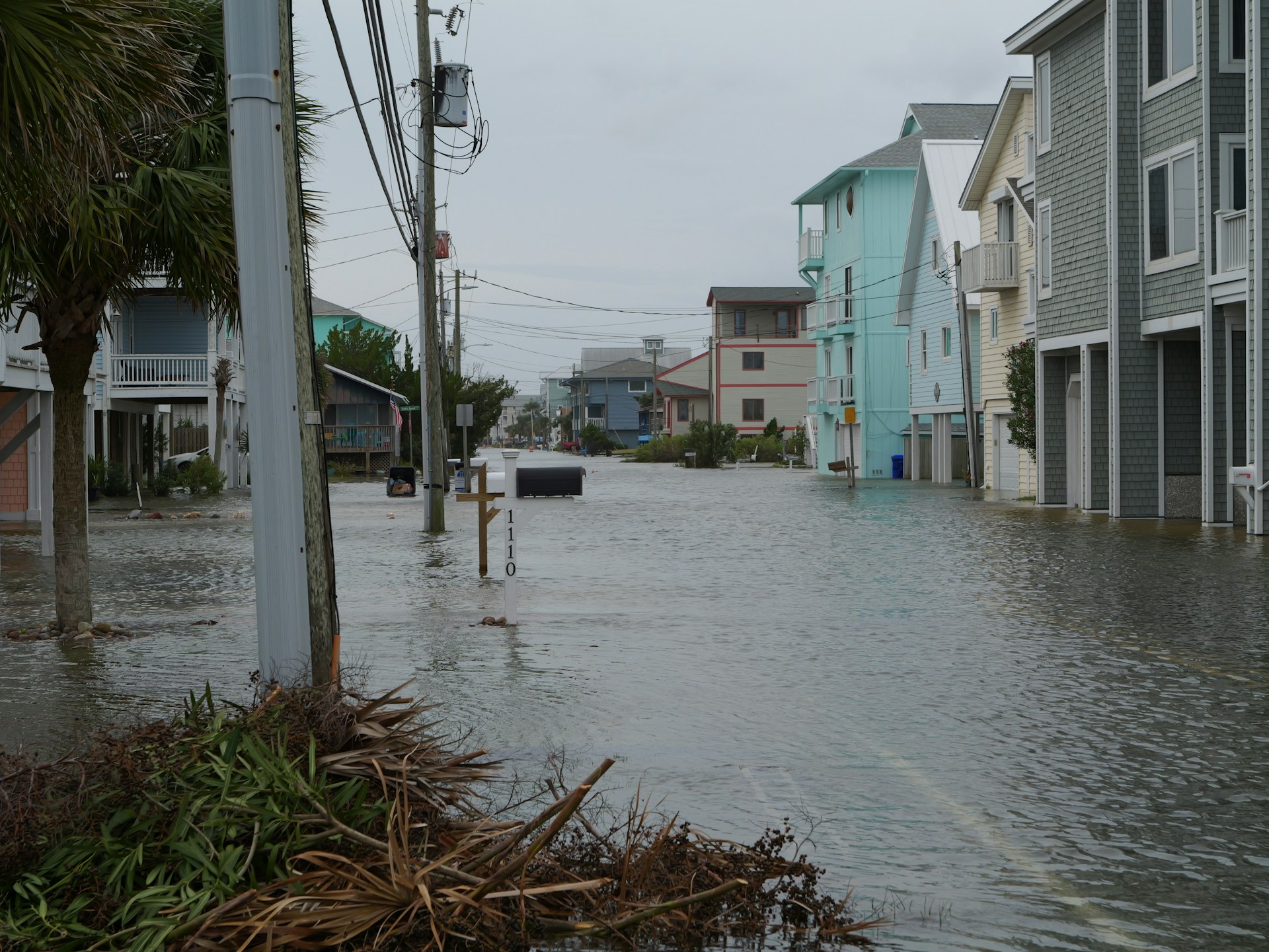
Rain entering from above is different from floodwater rising from the ground. Standard homeowners insurance usually does not cover flooding, including storm surge or water flowing into the house after heavy rain.
Flood insurance generally covers direct damage caused by rising or overflowing water. The National Flood Insurance Program explains that rain entering through a storm-damaged roof counts as storm damage, while rising water is considered flooding.

Wind Coverage May Be Different in Coastal Areas
Do not assume every homeowners policy includes full wind or hurricane protection. Some policies in hurricane-prone coastal areas exclude windstorm damage or require homeowners to buy separate wind coverage.
Review your policy for terms such as:
- Windstorm or hail exclusion
- Named-storm deductible
- Hurricane deductible
- Roof payment schedule
- Cosmetic damage exclusion
- Water damage limitation
The National Association of Insurance Commissioners notes that homeowners policies may cover windstorms, but some policies, especially in coastal areas, exclude that protection.
If your policy excludes wind damage, you may need a separate windstorm policy for hurricane-related losses.
Which Deductible Applies?
A deductible is the amount you pay toward a covered claim before your insurance contributes.
For ordinary claims, you may have a fixed deductible, such as $1,000. Hurricane and named-storm deductibles often work differently. They may equal a percentage of your home’s insured value.
For example, if your home carries $300,000 in dwelling coverage and has a 2% hurricane deductible, you would be responsible for the first $6,000 of covered damage.
Check when your hurricane deductible begins and ends. The rules vary by policy and state, and a tropical storm may trigger different terms from a named hurricane.
What Should You Do After Discovering Rain Damage?
Once it is safe to return home, act quickly, but do not make permanent repairs before documenting the damage.
Take these steps:
- Photograph and record the damaged roof, windows, walls, ceilings, floors, and belongings.
- Save damaged items unless they create a health or safety risk.
- Make temporary repairs, such as covering a broken window or placing a tarp over a roof opening.
- Keep receipts for supplies, emergency repairs, and temporary accommodations.
- Contact your insurer as soon as possible.
- Ask which deductible applies and whether your policy includes wind coverage.
- Request a written explanation if the insurer denies any part of your claim.
Avoid putting yourself at risk to take photos or complete repairs. Hire a qualified professional when the roof or structure may be unsafe.
Start Your Quote Today
Our licensed specialist will search for the best insurance quotes and will email you when ready.