Hooking up a utility trailer seems simple until you start thinking about insurance. What happens if it gets damaged in an accident? What if it hits another car? What if someone steals it from your driveway?
The short answer is that your utility trailer may not always need its own separate insurance policy, but that does not mean it is fully protected. In many cases, your auto insurance may help with liability while you are towing the trailer, but it may not pay to repair or replace the trailer itself.
What Is a Utility Trailer?
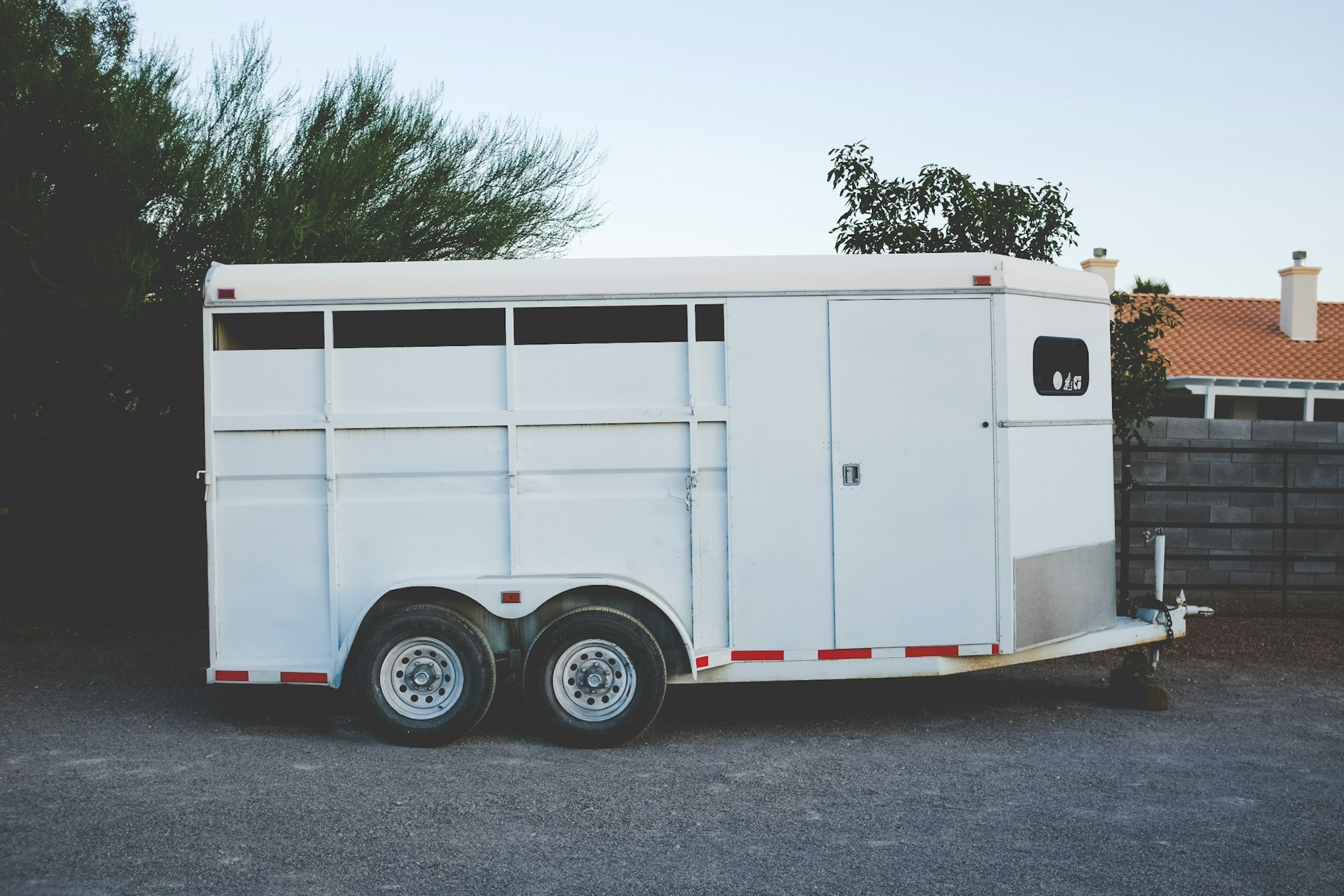
A utility trailer is a non-motorized trailer that you tow behind a vehicle. People often use it to move furniture, haul lawn equipment, carry tools, transport motorcycles, or handle home improvement materials.
Since it does not have its own engine, insurance rules usually work differently from car insurance. The towing vehicle often matters more than the trailer itself, especially when it comes to liability coverage.
Does a Utility Trailer Legally Need Insurance?
In many cases, a personal utility trailer does not need its own separate liability insurance because it is not a motor vehicle. Your state may still have registration, title, weight, and safety requirements, so you should always check with your local DMV or motor vehicle agency.
Insurance rules can also change depending on how you use the trailer. A small trailer used for weekend errands is different from a trailer used daily for paid work.
You may need more coverage if your trailer is used for:
- Business deliveries
- Landscaping or construction work
- Carrying expensive tools or equipment
- Renting or lending it to others
- Hauling vehicles, motorcycles, or specialty gear
The safest move is to confirm both your state requirements and your insurance policy details before you tow.

Does Auto Insurance Cover a Utility Trailer?
Your auto insurance may extend liability coverage to your trailer while it is attached to the insured vehicle. Liability coverage means protection if you cause injury or property damage to someone else.
For example, if your trailer swings too wide and damages another car, your auto liability coverage may help pay for the other person’s damages. However, this depends on your policy language and the situation.
Here is the important part. Liability coverage usually protects other people, not your trailer.
That means your auto policy may not pay if:
- Your trailer is damaged in a crash
- Your trailer is stolen
- Your trailer is damaged by fire, hail, or vandalism
- Tools or equipment inside the trailer are stolen
- The trailer is damaged while parked and detached
Many drivers assume their full coverage auto policy protects the trailer too. In most cases, comprehensive and collision coverage apply to the vehicle, not automatically to the trailer.
When Should You Consider Utility Trailer Insurance?
You should consider separate utility trailer insurance if replacing the trailer would be expensive or stressful. Even a basic trailer can cost a lot to repair after an accident, especially if it has ramps, brakes, custom sides, toolboxes, or specialty features.
Your Trailer Has Significant Value
If your trailer is older and inexpensive, you may decide to take the risk. But if it is newer, customized, or used often, coverage may make sense.
Ask yourself this simple question. Could you comfortably pay to replace it tomorrow?
If the answer is no, separate coverage is worth reviewing.
You Use It Often
The more you tow your trailer, the more exposure you have on the road. Frequent use increases the chances of accidents, tire blowouts, theft, or damage.
This is especially true if you use it in busy traffic, construction areas, rural roads, or long-distance trips.
You Use It for Work
Personal auto insurance often has limits when a vehicle or trailer is used for business. If you use your utility trailer for paid work, talk to your insurer about a commercial auto policy, business property coverage, or an inland marine policy.
Inland marine insurance is a type of coverage for movable property, such as tools and equipment, while it is away from your main business location. This can matter if your trailer carries expensive work gear.
You Store Expensive Items Inside
Trailer insurance may cover the trailer, but not always the contents inside. Tools, lawn equipment, sports gear, or inventory may need separate coverage.
Do not assume everything inside the trailer is protected. Ask your insurer how contents are handled.
What Does Utility Trailer Insurance Cover?
Coverage depends on the insurer and policy, but utility trailer insurance may include several options.
Collision Coverage
Collision coverage helps pay for damage to your trailer after a crash. This may apply if you hit another vehicle, back into something, or the trailer overturns.
Comprehensive Coverage
Comprehensive coverage helps pay for damage not caused by a collision. This can include theft, fire, vandalism, falling objects, hail, or certain weather-related damage.
Liability Coverage
Some trailer policies may include liability protection, especially for situations where the trailer is detached. For example, if an unhitched trailer rolls and damages someone’s property, liability coverage may become important.
Roadside Assistance
Some policies offer towing help, tire assistance, or emergency service if your trailer breaks down on the road.
What Utility Trailer Insurance May Not Cover
Utility trailer insurance does not cover everything. Common exclusions may include normal wear and tear, poor maintenance, intentional damage, illegal use, or business use under a personal policy.
It may also exclude cargo unless you add special coverage. If you haul valuable items, ask directly about contents coverage.
A good question to ask your agent is simple. “What would not be covered if my trailer was stolen, damaged, or involved in an accident?”
How Much Does Utility Trailer Insurance Cost?
The cost depends on several factors, including your location, trailer type, trailer value, how often you use it, and the coverage limits you choose. Your driving history and deductible can also affect the price.
A deductible is the amount you pay out of pocket before insurance helps with a covered claim. For example, if repairs cost $1,500 and your deductible is $500, insurance may cover the remaining $1,000.
The best way to know the cost is to ask for a quote and compare it with the cost of replacing the trailer yourself.
Questions to Ask Before You Tow
Before your next trip, call your insurer and ask these questions:
- Does my auto policy cover liability while I tow my trailer?
- Does my policy cover physical damage to the trailer?
- Is the trailer covered when detached from my vehicle?
- Are tools or equipment inside covered?
- Does coverage change if I use the trailer for business?
- Do I need to list the trailer on my policy?
These questions can help you avoid surprises after a claim.
Start Your Quote Today
Our licensed specialist will search for the best insurance quotes and will email you when ready.