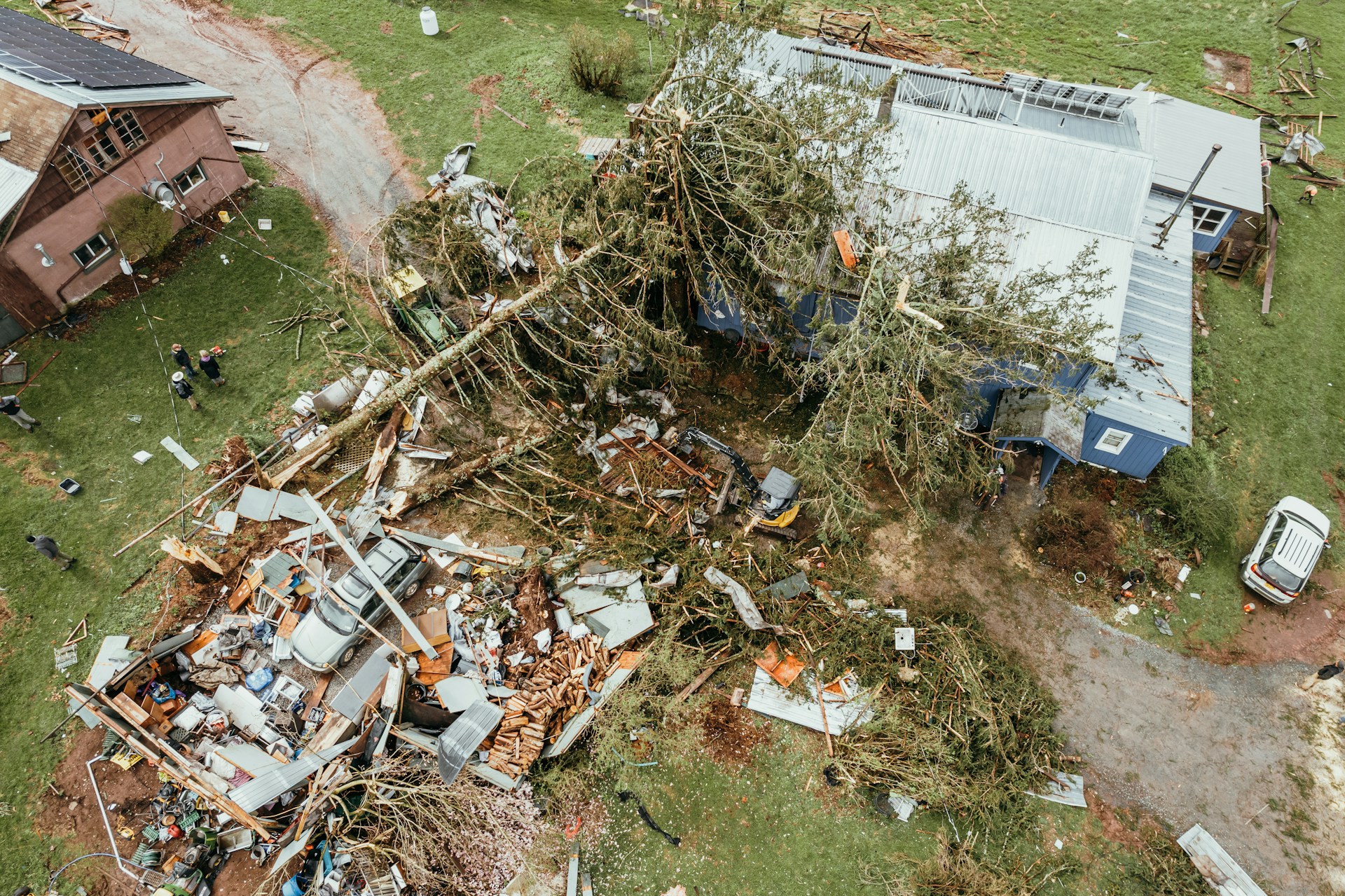
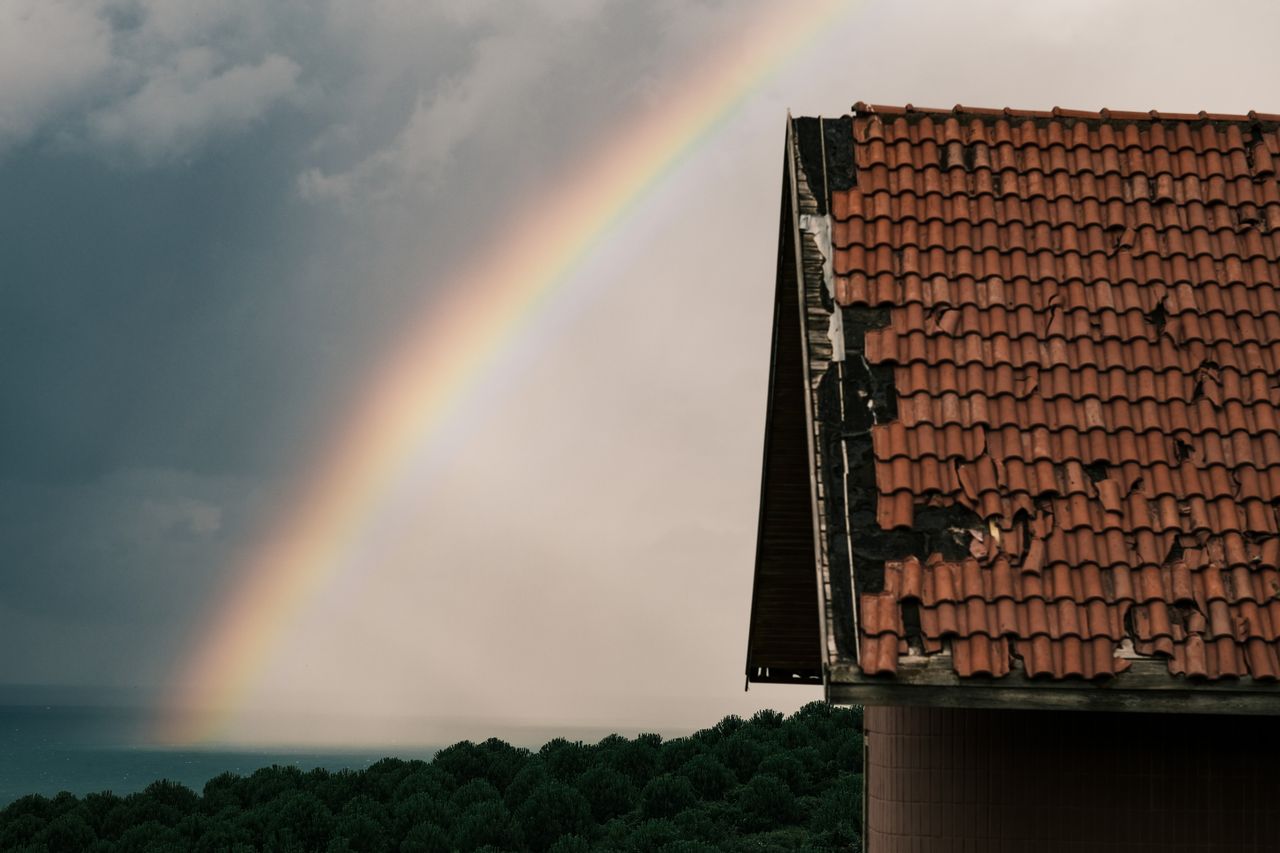
A forecast calling for a wetter winter feels different when your yard already collects water after every storm. A milder winter sounds welcome, until a freezing night puts your pipes at risk.
El Niño can influence both situations. But what it means for your home depends on where you live, your property’s condition, and the weather that actually arrives.
You don’t need to become a weather expert to prepare. Knowing which risks deserve attention and where your insurance may leave gaps is a useful place to start.
What is El Niño, and how does it affect your weather?
El Niño is a natural climate pattern involving warmer-than-usual water in the central and eastern tropical Pacific Ocean. That warming can shift winds and storm paths far beyond the Pacific.
One change involves the jet stream, a fast-moving band of air high above Earth. During El Niño, the Pacific jet stream often shifts south, helping steer more winter storms toward the southern United States.
These patterns describe what becomes more likely over a season. They cannot tell you whether a particular storm will reach your street. El Niño’s effects on U.S. weather are generally strongest during the colder months, and other weather patterns still matter.
California and the Southwest: Watch where rainwater goes
California and parts of the Southwest may experience wetter winters, particularly during stronger El Niño events. Even then, heavy rain is not guaranteed across the entire region.
For homeowners, the concern is often less about the rainfall total and more about where the water ends up. Repeated rain can overwhelm gutters, collect beside foundations, or flood low areas.
Before storms arrive, clear drainage paths and have roof problems checked. That gutter that spills water against the house during an ordinary shower deserves attention before several wet days arrive.
Homes near steep slopes or recently burned areas also need close attention to local flood and debris-flow warnings. Ask your agent about these hazards specifically. Flood insurance does not automatically cover landslides, although qualifying mudflow may be covered.
The Gulf Coast and Southeast: Prepare for wet weather and sudden freezes
The Gulf Coast and much of the Southeast tend to have wetter winters during El Niño. Parts of the South may also experience cooler-than-average conditions.
If you live in Texas, Louisiana, Mississippi, Alabama, or Florida, check the low spots around your home. You can be miles from the beach and still have water collecting near your doors or foundation.
Clear gutters and move important belongings off floors in areas that have flooded before. Keep exposed pipes protected, too.
Cold-weather damage is a concern here as well. In January 2024, Insurance Journal reported that Georgia led State Farm’s frozen-pipe and water-damage claim costs for August 2022 through August 2023. That is a useful reminder to prepare for sudden freezes even in places known for warmer weather.

The Pacific Northwest and northern Rockies: A mild winter still needs attention
Washington, Oregon, Idaho, and parts of the northern Rockies often lean warmer during El Niño winters. Drier conditions are also possible, although that pattern is less reliable.
Less snow may mean fewer mornings spent shoveling. It can also mean less water stored in mountain snowpacks. Depending on spring and summer conditions, lower snowpack can contribute to later water shortages and wildfire concerns.
Keep vegetation near your home maintained and follow local fire guidance. Coastal homeowners should continue watching storm and erosion warnings. A drier seasonal outlook does not mean every storm will pass you by.
The Midwest and Northeast: Don’t put away the winter checklist
Much of the northern United States, including parts of the Midwest, tends to have milder El Niño winters. Snowfall in the Northeast is harder to predict, and parts of the Mid-Atlantic can still have snowy seasons.
A warmer seasonal average does not prevent freezing nights, ice, or a major snowstorm.
Insulate exposed pipes and keep your heating system maintained. If you have a basement sump pump, test it before wet weather and consider backup power.
Also, know where your main water shutoff valve is. If a pipe bursts, being able to find it quickly can help limit the damage.
Alaska and Hawaii: Follow the local outlook
Parts of Alaska often experience warmer conditions during El Niño, though effects vary across the state. Hawaii often receives less rain from late fall through early spring.
For Alaska homeowners, local storm forecasts remain essential. In Hawaii, watch drought and fire warnings rather than assuming familiar rainfall patterns will continue.
Your island, elevation, and neighborhood can make a difference. Regional guidance is a starting point; local alerts help you decide what to do next.
Does homeowners insurance cover El Niño damage?
An insurer looks at what caused the damage and what your policy covers. Whether El Niño influenced the weather does not decide the claim.
Many homeowners policies cover damage from wind, hail, and fire, subject to exclusions, limits, and deductibles. Common protections include:
- Home repairs: Help repairing the building after a covered event.
- Belongings: Help replacing covered furniture, clothing, and other possessions.
- Temporary living costs: Help with extra expenses, such as a hotel, when covered damage makes your home unlivable.
For example, if covered wind damage creates a hole in your roof and rain enters, your policy may help with repairs. A leak caused by years of wear or an ignored maintenance problem is generally treated differently.
Burst-pipe damage may also be covered, but taking reasonable steps to prevent freezing matters. The NAIC notes that neglected plumbing or a failure to take preventive measures can affect coverage.
Ask whether wind coverage is included and whether a separate wind or hurricane deductible applies. Your deductible is the amount you pay toward a covered claim.
When does separate flood insurance matter?
Most standard homeowners policies exclude flooding from outside the home. A separate flood policy can help pay for covered damage from rising water.
An overflowing creek or a flooded street can threaten a home outside a high-risk flood zone. Look at your property’s drainage, nearby waterways, and flood history, even if your lender does not require coverage.
Ask whether the flood policy covers both the building and your belongings. National Flood Insurance Program policies generally have a 30-day waiting period, with exceptions, and do not cover temporary housing costs. Private flood policy terms may differ.
Review these details before storms are approaching, while you still have time to consider your options.
A few steps to take before storms arrive
Start with the problems you already know about: the gutter that overflows, the loose roof shingles, or the tree branch hanging over the house.
Photograph your rooms and belongings. Save insurance documents somewhere you can reach them if your home loses power or you need to leave.
Then review your coverage with your agent. Ask what the policy would pay toward rebuilding, what you would pay yourself, and which water risks need separate protection.
What does El Niño mean for your home?
El Niño can shift regional weather risks, but your home needs preparation based on local forecasts and its own weak spots.
IZC Insurance can help you review home and flood coverage options. Knowing what is covered and what needs another look can make it easier to plan before the next storm arrives.
Start Your Quote Today
Our licensed specialist will search for the best insurance quotes and will email you when ready.