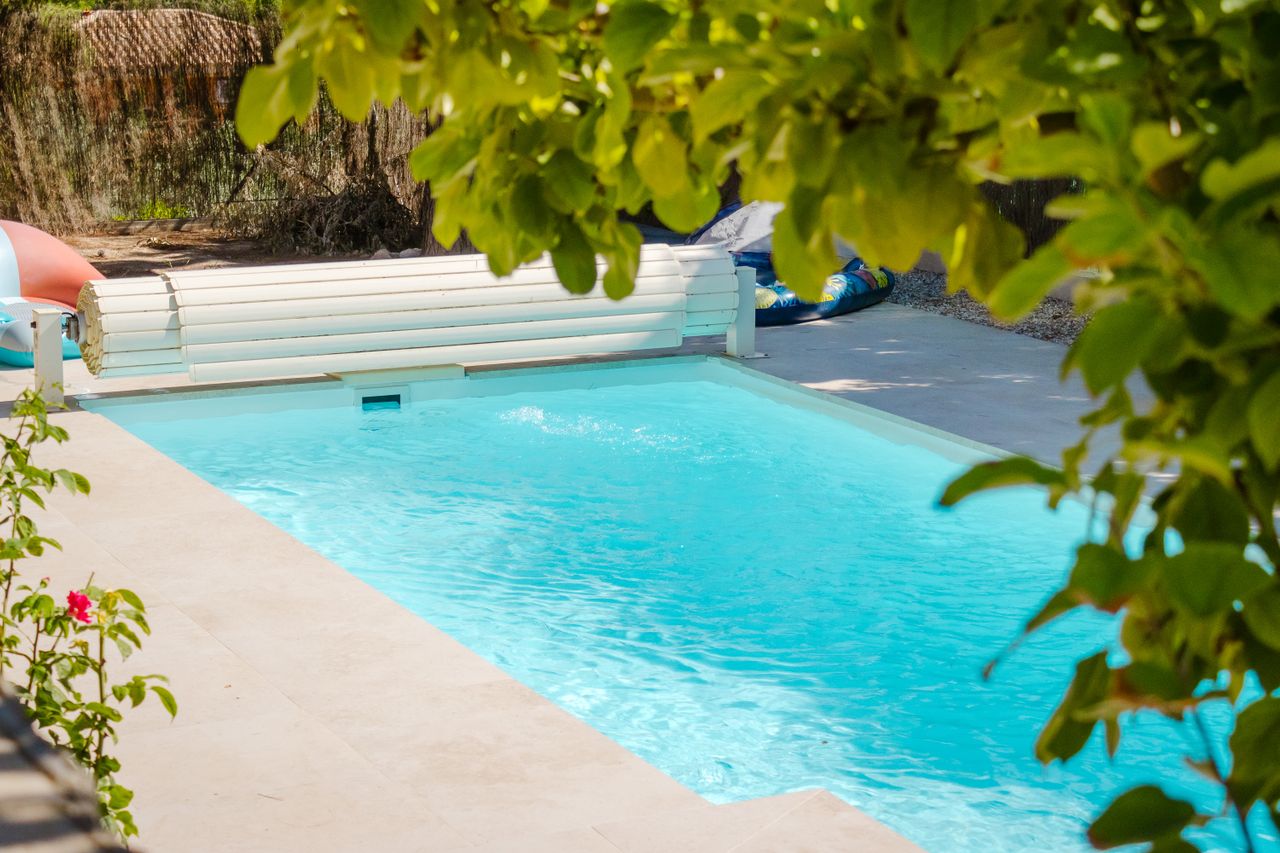
A backyard pool can make your home more enjoyable, but it can also change how an insurance company views your property. Pools create additional injury and liability risks, so your insurer may ask questions, require safety upgrades, raise your premium, or adjust your coverage.
Many insurers will accept a properly maintained in-ground swimming pool. Problems are more likely when the pool has higher-risk features, such as a diving board or slide, or lacks a secure fence and self-locking gate. Requirements vary by insurer and location, so confirm the rules before installing a pool or buying a home with one.
Does Homeowners Insurance Cover a Swimming Pool?
A homeowners policy may provide two forms of protection related to a pool: property coverage and liability coverage.
Property coverage may help pay for pool damage caused by a covered event, such as fire, vandalism, or certain storms. An in-ground pool may fall under “other structures” coverage, which protects structures on your property that are separate from the house. Coverage depends on how the pool is built, what caused the damage, and your policy wording.
Liability coverage may protect you when someone gets hurt and you are legally responsible. It can help cover an injured guest’s medical expenses, legal defense costs, and a settlement or judgment, up to your policy limit. Medical payments coverage may also cover smaller medical bills after a visitor is injured, even when no lawsuit occurs.
Homeowners insurance does not cover every pool-related problem. Normal wear, poor maintenance, gradual leaks, or damage from an excluded event may not qualify. Ask your insurer how the policy classifies your pool and what exclusions apply.
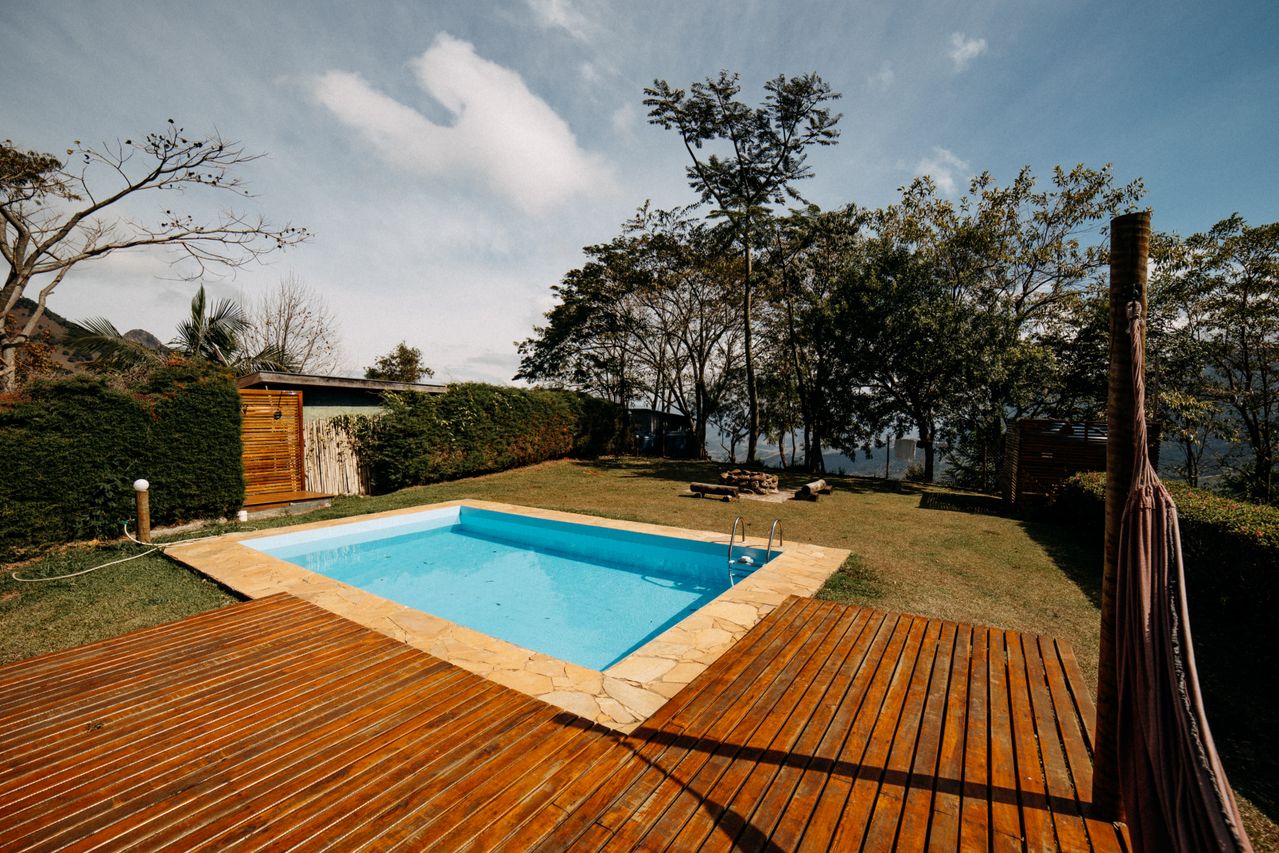
Why Pools Can Affect Insurance Costs
Insurance companies price policies according to risk. A pool adds the possibility of drowning, diving injuries, slips, falls, and unauthorized access. Even when you do not invite someone to swim, an unsecured pool may attract neighborhood children.
Because of this added exposure, an insurer may:
- Charge a higher premium
- Require more personal liability coverage
- Ask you to install or improve a pool fence
- Exclude certain pool-related claims
- Require removal of a diving board or slide
- Decline coverage if safety requirements are not met
A premium increase is not automatic. The pool’s design, safety features, condition, local building rules, claims history, and the carrier’s underwriting guidelines can affect the outcome.
Are In-Ground Pools Usually Acceptable?
In-ground swimming pools are often insurable when they meet the carrier’s safety and maintenance requirements. The insurer may inspect the property or request details about the pool’s depth, fencing, equipment, and accessories.
A basic in-ground pool without a diving board or slide is usually easier to insure than one with these features. Diving boards and slides increase the chance of serious impact, head, neck, or spinal injuries. Some carriers may accept them under strict conditions, while others may raise the premium, exclude related losses, require removal, or refuse to insure the property.
Always disclose these features. Hiding or temporarily removing a diving board or slide during an inspection could create problems during underwriting or after a claim.
Pool Fence and Self-Locking Gate Requirements
Many insurers expect a pool to be enclosed by a secure fence. Some companies specify a minimum height or approved materials, while local building codes may add other requirements.
A strong safety setup includes:
- A fence that limits unsupervised access to the pool
- A self-closing and self-latching or self-locking gate
- A latch young children cannot easily reach
- No gaps that allow a child to crawl through
- A gate kept locked whenever the pool is unsupervised
Insurance requirements and local laws are not always identical. Meeting the building code does not guarantee that every insurer will accept your pool. Check both your local rules and your carrier’s underwriting standards.
Additional safeguards may include pool and door alarms, an approved safety cover, non-slip surfaces, proper lighting, visible depth markers, and rescue equipment. These measures may not always earn a discount, but they can reduce the likelihood of an accident.
Should You Increase Your Liability Coverage?
A serious pool injury can lead to costs that exceed a basic homeowners liability limit. Review your current limit and consider whether increasing it would better protect your savings, income, and other assets.
You may also consider a personal umbrella policy. Umbrella insurance provides additional liability protection after the underlying limit on your homeowners policy has been used. Insurers typically require minimum liability limits before you can purchase this coverage.
Umbrella insurance does not replace pool safety or guarantee that every incident is covered. Your pool and its features must still meet the eligibility rules of both policies.
Questions to Ask Your Insurance Company
Contact your insurer before installing a pool, adding a diving board or slide, or purchasing a property with an existing pool. Ask:
- How will the pool be classified under my policy?
- Is physical damage to the pool covered?
- Will my premium or deductible change?
- What fence and gate specifications are required?
- Are diving boards or slides allowed?
- Does the policy contain a pool liability exclusion?
- Should I increase my liability limit?
- Would I qualify for umbrella insurance?
Keep photographs, permits, inspection reports, and receipts for safety improvements. When the insurer requests changes, ask for the requirements in writing.
Start Your Quote Today
Our licensed specialist will search for the best insurance quotes and will email you when ready.